The Second Look: the Garden Wall at Brookgreen Gardens

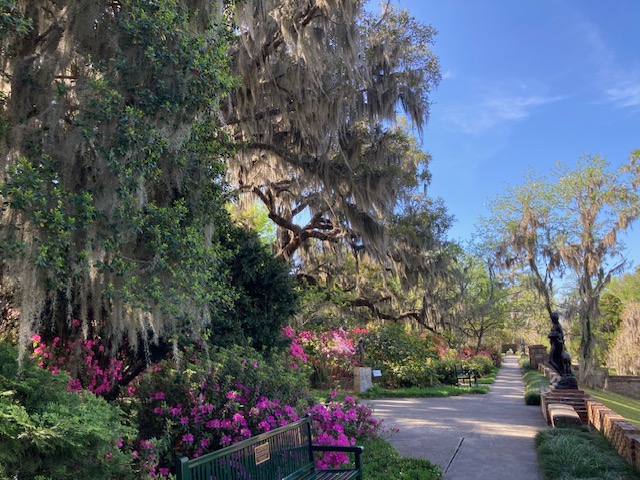
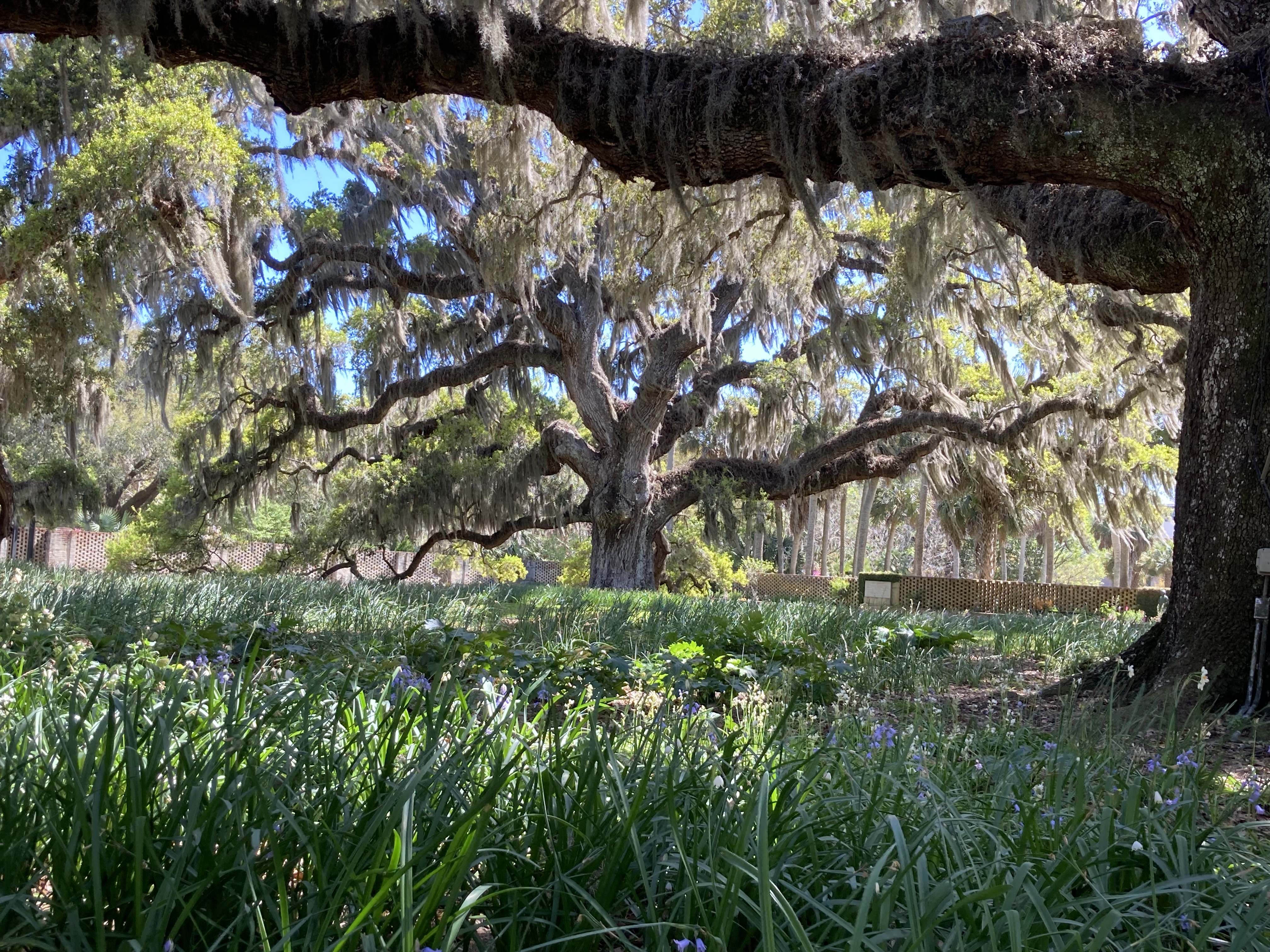
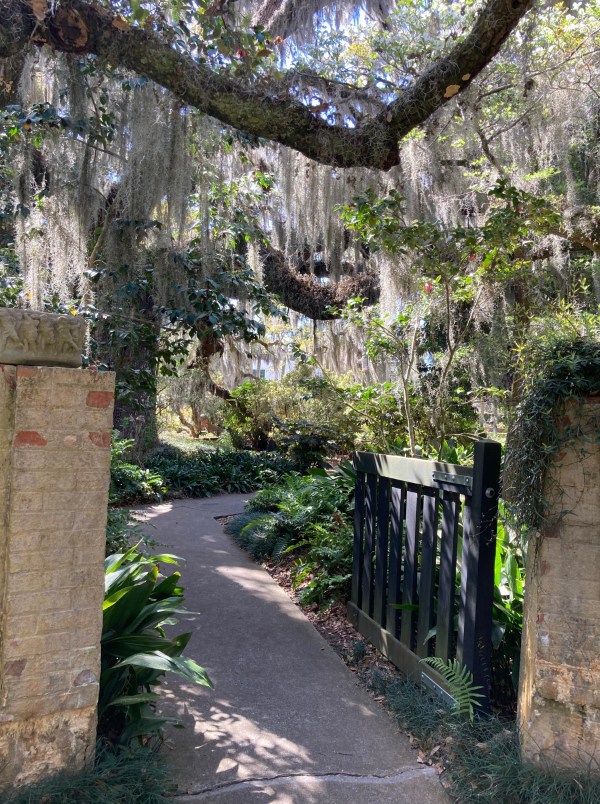
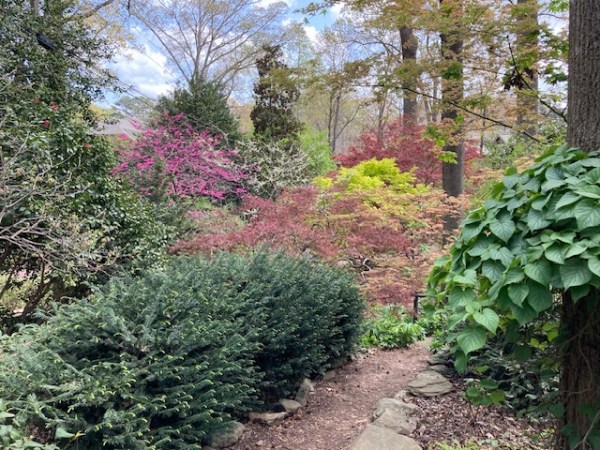
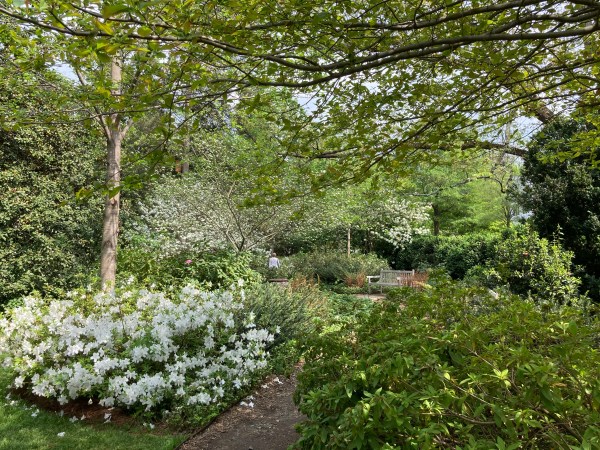
So grateful that I returned for a second visit in the light of spring to see what was beyond the garden wall at Brookgreen Gardens.

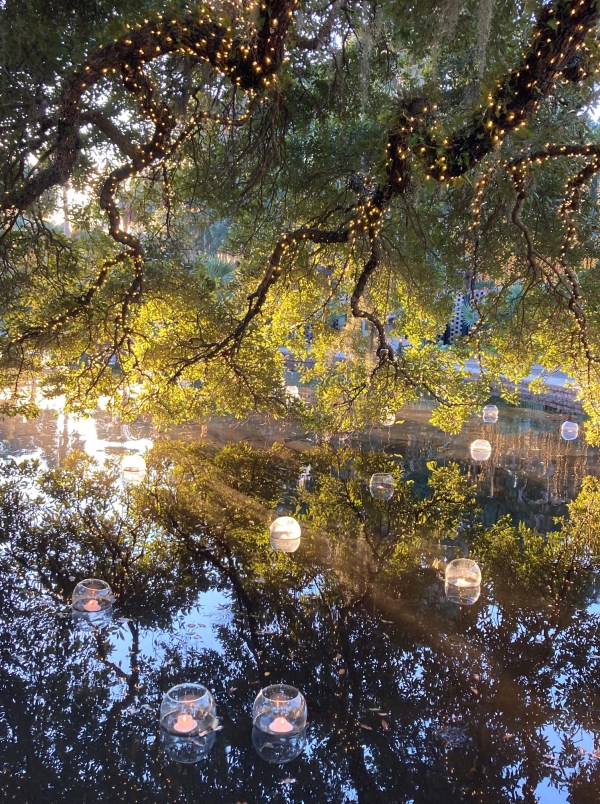
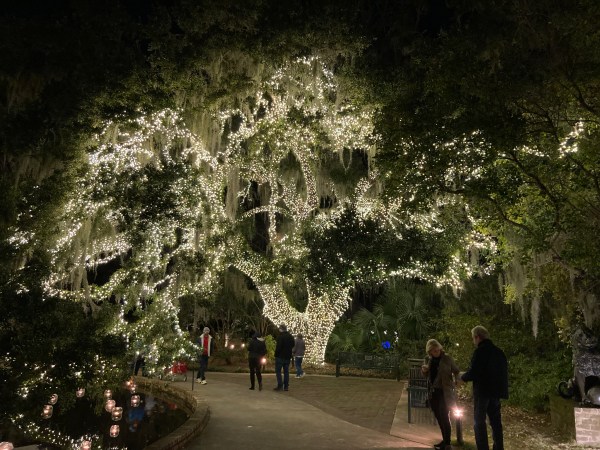
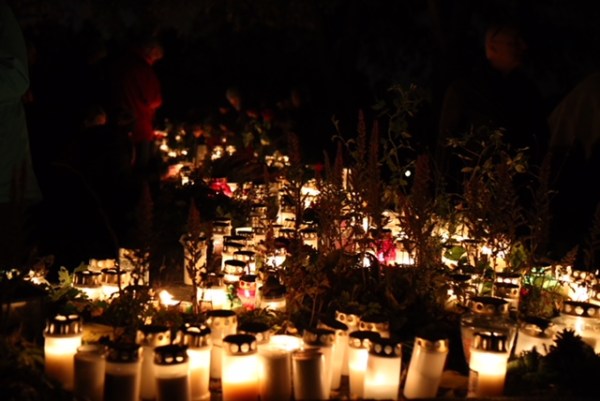
The flickering candlelight on the slope outside the garden wall in December had been unexpected. The dark night was the backdrop during ‘Nights of a Thousand Candles.” The candlelight in the darkness was such a contrast after moving through the glorious spectacle of the electrical light show that showcased the garden and sparked wonder in so many ways. There was a joyous energy of delight and awe as we explored the garden paths and then, at the back wall, encountered the quiet of candlelight and the backdrop of winter darkness. I wondered, “What is beyond the garden wall?” The darkness offered no clue. But I heard a prompt: “Come back in the spring.”

My curiosity was kindled.

I received the answer when I returned in March 2026.

Continue reading “The Second Look: the Garden Wall at Brookgreen Gardens”

The Redemption of Our Wasted Time

During my visit to Brookgreen Gardens and after it, the words “cri du coeur” arrived in my awareness. I remembered that Phil Cousineau mentioned the “cri du coeur” in The Art of Pilgrimage so days after returning home, pulled my copy from the shelf. The cri du coeur, the cry in the heart, issues the calling.

“What if we… long for a form of travel that responds to a genuine cri du coeur, a longing for a taste of mystery, a touch of the sacred?

For millennia, this cry in the heart for embarking upon a meaningful journey has been answer by pilgrimage, a transformative journey to a sacred center. … Always, it is a journey of risk and renewal. For a journey without challenge has no meaning; one without purpose has no soul.”


Decades ago, “Remember them” resonated as my cri du coeur, and was the catalyst for my own pilgrimage.

“Pilgrimage” as noted by Phil Cousineau:
“Pilgrimage is a powerful metaphor for any journey with the purpose of finding something that matters deeply to the traveler. With a deepening of focus, keen preparation, attention to the path below our feet and respect for the destination at hand, it is possible to transform even the most ordinary trip into a sacred journey, a pilgrimage… What legendary travelers have taught us since Pausanius and Marco Polo is that the art of travel is the art of seeing what is sacred.”

“Pilgrimage is the kind of journeying that marks the move from mindless to mindful, soulless to soulful travel. The difference may be subtle or dramatic; by definition it is life-changing. It means being alert to the times when all that’s needed is a trip to a remote place to simply lose yourself, and to the times when what’s needed is a journey to a sacred place, in all its glorious and fearsome masks, to find yourself.”

I am being attentive to the words ‘the cry of the heart.’ Why did the words cri du coeur arrive? There is the need for synthesis that can’t be rushed.

With “The Art of Pilgrimage” off the shelf, I returned to other pages I had read so many times before. “Considering the Marvel,” speaks to Henry Beston’s experience on Cape Cod to witness the “incomparable pageant of nature and the year”:

“Beston’s book, The Outermost House, became a model witness for what nature has to teach us. There was always something “poetic and mysterious, such as the bird tracks in the sand dunes. One day he contemplates the surf and looks out to sea, imagining what lies on the other side—Santiago de Compostela, “renown of pilgrims”—and recalling how when he was there he was offered a scallop shell, but “I would have none of it, and got myself a seashell from some Galician fisherfolk.” This spirit of seeing for yourself and finding your own talisman reflects the true pilgrim spirit.”

“Consider the marvel of what we see,” he writes in the hushed tones of the contemplative traveler. “Somewhere in ocean, perhaps a thousand miles and more from this beach, the pulse beat of earth liberates a vibration, an ocean wave… So, it goes night and day, and will go till the secret heart of the earth strikes out its last slow beat and the last wave dissolves upon the forsaken shore.”

…The gift he (Beston) brought back, his insights, his observations, are a constant reminder of the beauty and mystery available to those, using as the Sufis said, “the eyes of the heart.” Like the greatest of travel writers, he reveals how any journey, whether as part of a crowd or in solitude, can produce the moment of awe, the vision, contact with the numinous. In stillness, at the still point of our journey, is the redemption of our wasted time.”

The pause is the beauty.

The Art of Pilgrimage – The Seekers Guide to Making Travel Sacred by Phil Cousineau


Beyond the Garden Wall

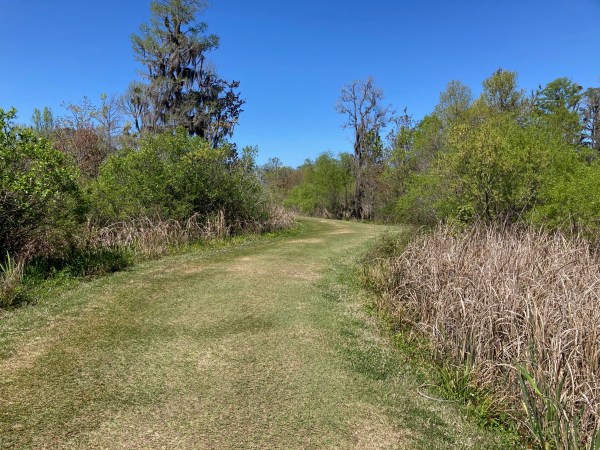
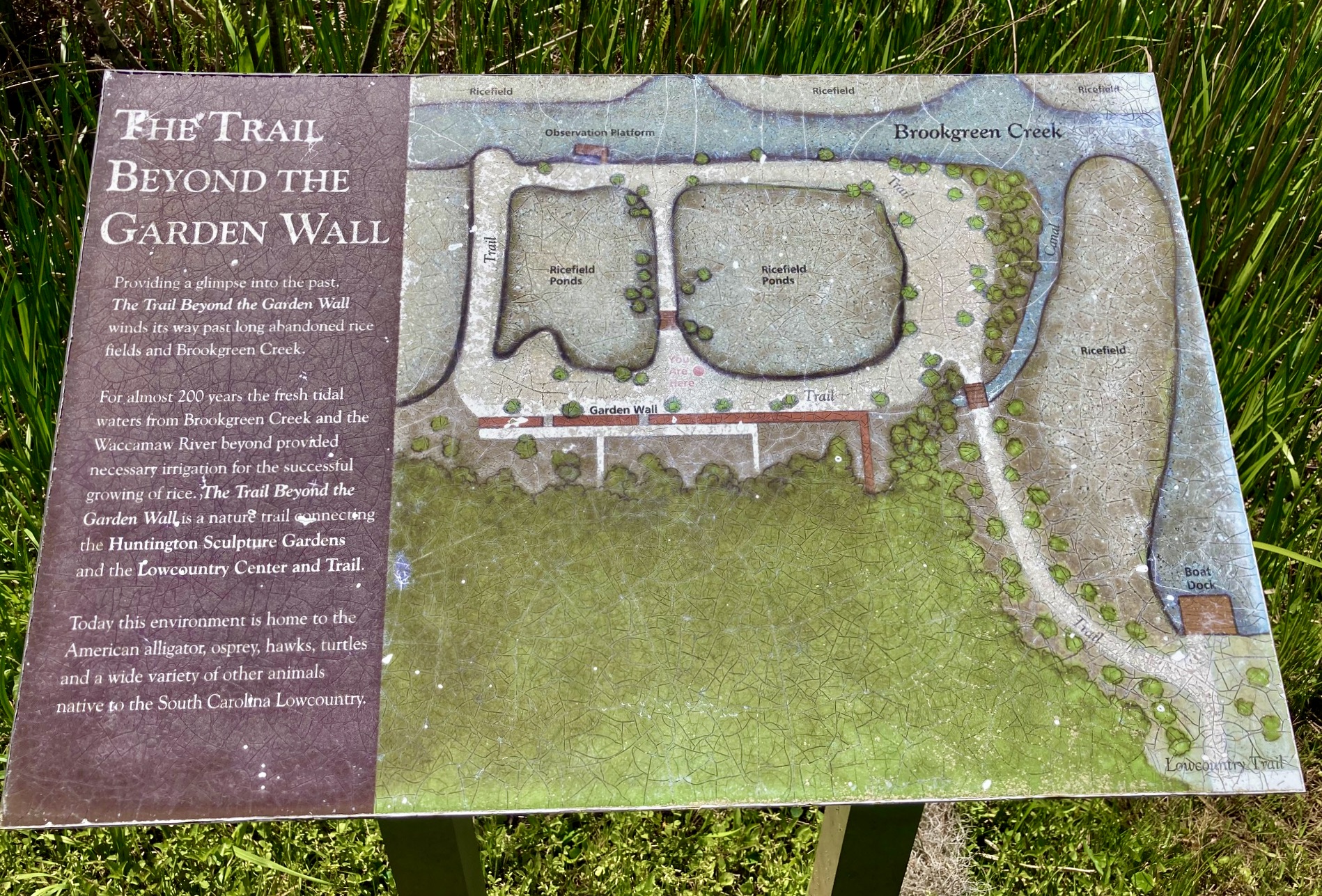
I returned to the back wall of Brookgreen Garden and looked out on what seemed to be a wide grass path cutting through undeveloped wetland. Most of the gates that opened to stairs leading down into this natural area were locked but to the far left, there was an opening and a path offering access. I walked down the path and found a sign:

This “undeveloped land” was actually developed. Beyond the garden wall were abandoned rice fields. If I hadn’t read the sign, I would have believed the land to be undeveloped wetlands. I had no idea. Further down the path was the Brookgreen Creek, which connected to the Waccamaw River. Both flow with fresh tidal water.

Continue reading “Beyond the Garden Wall”

The power of subtlety

During “Nights of a Thousand Candles” on a cold evening in December, I was immersed in awe and wonder. This was my introduction to Brookgreen Gardens (Murrells Inlet, SC) and it was magical. 

Garden paths led to different wondrous spectacles of light and entries into enchantment. After passing by the Alligator Bender sculpture there was the arrival at the back garden wall.

Outside the back garden wall, candles illuminated a sloping hill that led into the dark night.

Continue reading “The power of subtlety”

The Lightness of Being in Bronze

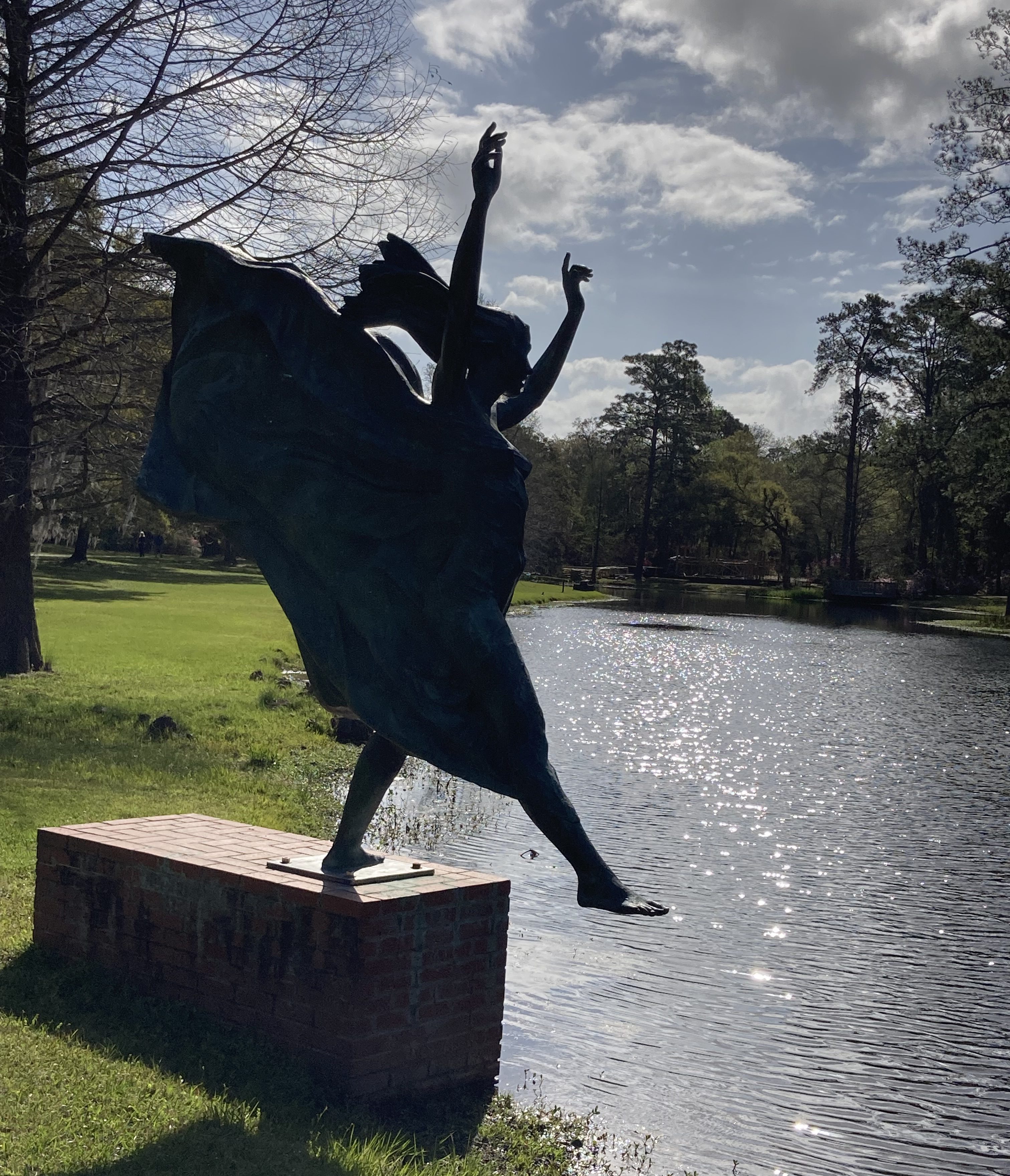
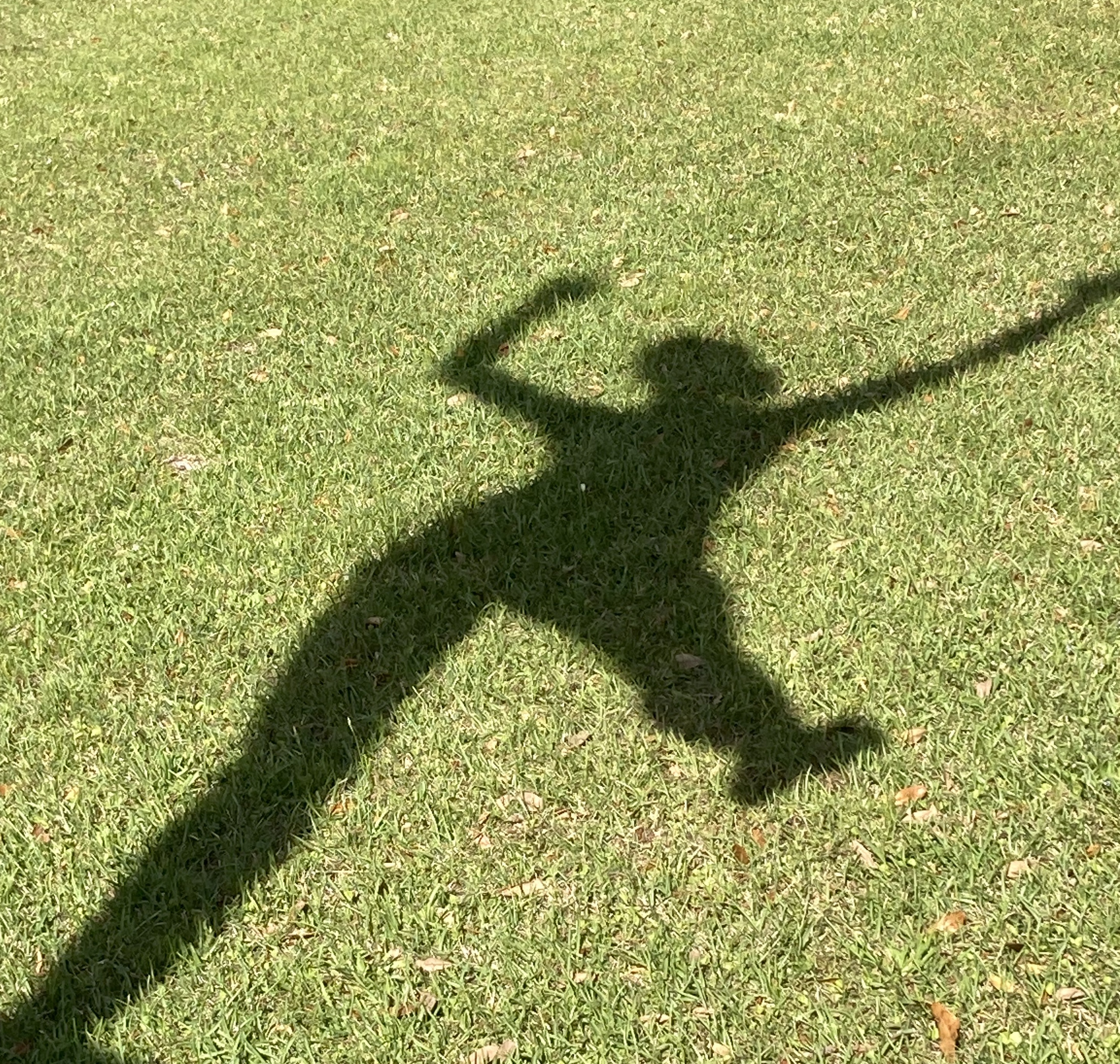
“Wind on the Water” is along Brookgreen Garden’s Live Oak Allee near Jessamine Pond. A sister sculpture “The Spacewalker” is nearby. Its shadow is below. Both sculptures by Richard McDermott Miller.

Return to the Heart Space

From Richard Rohr’s Immortal Diamond:

Next time a resentment, negativity, or irritation comes to your mind, for example, and you want to play it out or attach to it, move the thought or person literally into your heart space because such commentaries are almost entirely lodged in your head.

There, surround it with silence (which is much easier to do in the heart).

There, it is surrounded with blood, which will often feel warm like coals.

In this place, it is almost impossible to comment, judge, create story lines or remain antagonistic. You are in a place that does not create or feed on contraries but is the natural organ of life, enbodiment, and love. Love lives and thrives in the heart space.

These words are hidden in Appendix D (pages 204-205). By chance, I opened the book to these pages and “heart space” caught my attention. I was instantly reminded of where I needed to be. There is peace in the heart space.

Rushing through life

It’s as though we were rushing through our lives, and in our hearts, there is the flame of a candle. Because we are moving at such high speed, this essential interior flame is always on the point of going out. But when we sit down to meditate, when we become still, when we are not thinking in terms of our success or self-importance, of our own will, when we are just in the presence of the One who is, then the flame begins to burn brightly. We begin to understand ourselves and others in terms of light, warmth and love.” (John Main)

From the article, Advent’s Unanswered Questions by Teresa White FCJ.

Entering Cote 304

May 3: Finding my way to Cote 304

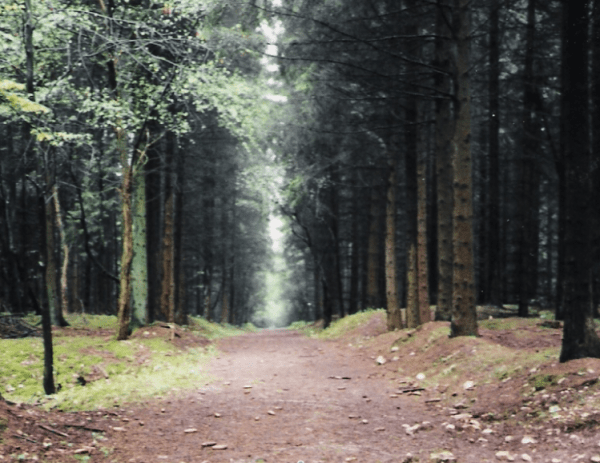
I could see the approach of Cote 304 because a grove of Australian pines was nearing. The worst areas devastated by the war were reforested in the 1930s with Australian pines. It would take over three to four centuries for nature to fully recover the area. That evidence was clear wherever I went from Fort Vaux to Le Mort Homme where the artillery had broken the ground and shattered the subsoil.

The car turned onto a narrow lane that meandered through a forest of green conifers, which held back the sun and cast darkness onto the wood line floor. We approached the summit and circled around a tall monolith memorial. Marc and I got out of the car and I walked over to the woods at Cote 304. The ground was pocked and cratered by the bombs and ammunition that had blasted devastation into the ground. There was a dirt road cutting into the wood line. The stronger voice inside me whispered, “Go there.” I walked into the wood line aware of the magnitude of death that saturated the soil, knowing each step I took at Cote 304 was on the battleground where the living had fallen dead.

I stood there, feeling like a living sacrifice, with my hand up near my face. I could feel my breath on my hand. I could feel my face against my hand. I needed this sensory connection to life. As I stood there, the wind whispered through the pines. My eyes noticed the ground was blanketed in pine needles. Green moss grew in patches. Weeds grew in other places. There was life on the wood line floor. Although it looked dark from the road, I realized there were shafts of light streaming in the wood line. The wood line wasn’t filled with death. I stood on the ground of Cote 304. I wanted to remember and feared that my memory would forget. I took two pictures, and then regretted the noise from the shutter clicks. The woods deserved silence. I decided not to make any more noise on the ground where so many thousands of soldiers had died.

Continue reading “Entering Cote 304”

Starting Point: At the heart of the Star (Place d’Etoile)

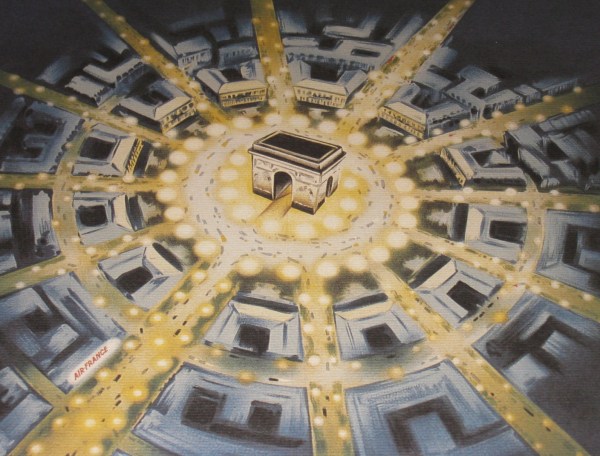
April 30: I was walking clockwise from Avenue Kleber around Place Charles de Gaulle (also known as Place d’Etoile) in search of the tunnel that would lead me under the busy roundabout that surrounds the Arc de Triomphe. I found the tunnel at Avenue de la Grande Armee and descended into the corridor, which was surprisingly deserted of people. There was a nicely dressed Frenchman about twenty paces ahead of me. He paid no heed to the sign in French that was posted on the partially closed gate, but pushed it open and kept walking.

I followed him. As I walked deeper into the empty tunnel, I realized that following a man I didn’t know, through a deserted tunnel, in a foreign country was not exactly a smart move for an American woman traveling alone. And feeling confident that I would scream for help if something did go wrong was ridiculous. Who would hear my screams in an empty tunnel? I had arrived in Paris only a few hours earlier and now marveled at my lack of decision-making skills. I needed to wake up. I chalked up my actions to jet lag and promised myself to pay better attention to what was going on around me.

Continue reading “Starting Point: At the heart of the Star (Place d’Etoile)”

What grows in 25 years

25 years ago today, April 29, I was on a plane heading to Paris for five days in France, specifically to visit Cote 304 and Verdun.

Back then, I was writing what would become “Resurgam—Standing on the Ground of Remembrance.” On the surface, it looked like a war story but it was much more than that. The wood line I had envisioned in Alpha Company’s story seemed very similar to Cote 304. I wanted to know if Cote 304 was the ground I had imagined. I learned about Verdun on December 25 while looking through a tour book on France and by February 20 decided to go there. It made no sense why a place completely devastated by war intrigued me. The verdant land had been slaughtered by war. And yet poppies flourished on the war-torn ground in France. During my WWI research in February 1998, bits of the poem I read “In Flanders Fields” by John McCrae would drift into my thoughts.… we are the Dead. Short days ago we lived, felt dawn, saw sunset glow. Loved and we loved, now we lie in Flanders Fields… 

I wondered what story I would discover when I remembered the unknown soldiers from WWI. The words of John McCrae’s poem continued to draw my attention:
Take up our quarrel with the foe: 
To you from failing hands we throw 
The torch; be yours to hold it high. 
If ye break faith with us who die 
We shall not sleep, though poppies grow 
In Flanders field

The words seemed to be speaking directly to me. The writer in me wanted to go to uncover the story in Verdun. Yet another side of me didn’t want to go face the darkness.

Deep within my gut I knew the step I had to take. And I did. No one else wanted to go, so I went alone. I prepared with great diligence for a trip to Verdun, the site of the longest and most devastating battle in WWI.

Continue reading “What grows in 25 years”

Rekindle

Schweitzer: “The tragedy of life is what dies inside a man while he lives… In every one’s life, at some time, our inner fire goes out.  It is then burst into flame by an encounter with another human being. We should be thankful for these people who rekindle the inner spirit… who or what will you connect with that will rekindle your inner flame?

Continue reading “Rekindle”

Wordsworth: “Our senses drink in the secrets of nature…”

From Karen Armstrong’s new book, Sacred Nature: If we allow it to enter our lives, nature can inform our minds and become a formative influence.

We can begin by taking simple steps, perhaps sitting in a garden or a park for 10 minutes a day, without headphones or a mobile phone, simply registering the sights and sounds of nature. Instead of taking photographs of our surroundings, we should look at the birds, flowers, clouds and trees and let them impress themselves on our minds.

Continue reading

They lived. They loved. They have a story to tell

Remember
You are the hands of the present generation.
You hold the hands of a future generation.
You hold the hands of past generations, some now departed, and they in turn held the hands of older generations.
Hearts that once beat with life still beat in remembrance.
 

It is All Souls’ Day, a day not recognized through the spring and early summer of my life.  Since writing the words above as the Foreword of Resurgam – Standing on the Ground of Remembrance in 2008, there have been the departures of older generations and the arrivals of younger generations.

Now it’s a day with meaning, a day to pause, to remember them and reflect on all those hands and hearts that once walked on this earth and cultivated the ground in so many loving ways. All the unseen actions that went unrecognized yet made a difference in the future, which has become the present. 

To honor them and remember them, I’m sharing “Stones Unknown,” about finding peace in the most unexpected place. The inspiration (not surprisingly) was a stone.  This is a chapter from the revised story—The Ground of Remembrance—the fruit received through cycles of seasons from the hearts and hands of older generations. As the early story of Resurgam goes, “They lived. They loved. They have a story to tell.” I have been listening and learning. This small, yet new chapter took 25 years of learning how to listen and trust my heart. It is the beginning.  My heart overflows with gratitude for a gift from past generations that continues to grow.

Read: Stones Unknown

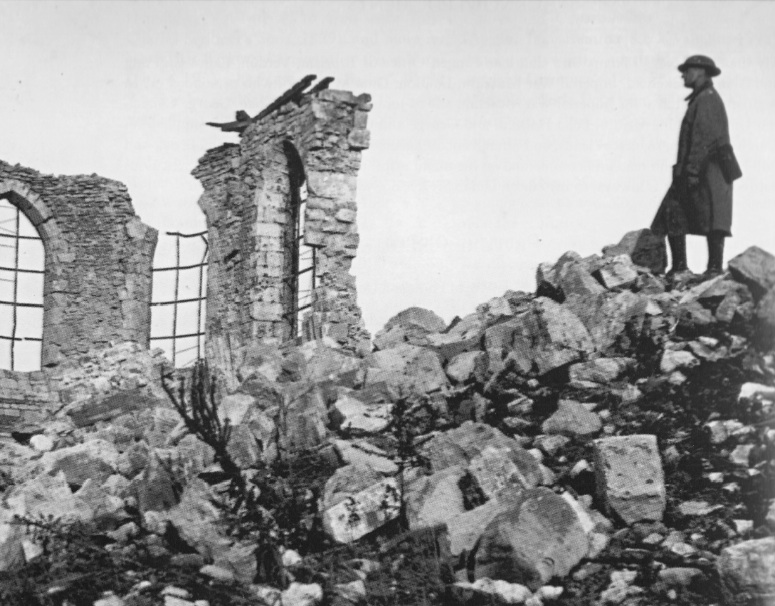
Background: A photograph of a solitary soldier standing on a hill of ruins captured my attention in 2013. (Hill of Loss) Something was familiar. The caption revealed the location: “A solitary American soldier looks at a ruined church on the crest of Montfaucon, France, after the town was captured.” I had been to there! My guide took me to Montfaucon on my way to Cote 304. That discovery and the journey inspired a new chapter of fiction, Stones Unknown in 2022.

From the book “RESURGAM – Standing on the Ground of Remembrance” – the discovery of Montfaucon, France (and the Center for Peace):

(c) 2022 Jean Niedert, an excerpt from “The Ground of Remembrance”

John ‘O’Donohue writes: “…the life within us calls out for expression. This is what creativity serves. It endeavors to bring some of our hidden life to expression in order than we might come to see who we are. When we are creative, we help the unknown to become known, the invisible to be seen and the rich darkness within us to become illuminated. “

From the book: Beauty: The Invisible Embrace by John O’Donohue

The spirit of a tree

St. Simons Island is known for its tree spirits. I was determined to visit all eleven listed in the Tree Spirit Scavenger Hunt. Finding some are challenging.

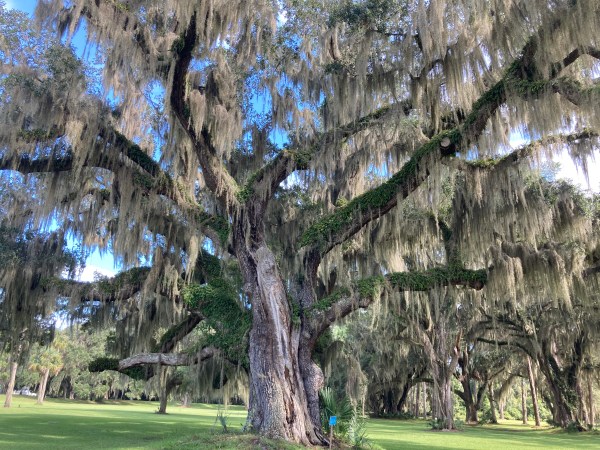
Most interesting, the “tree spirit” with the most presence was not on the list. The featured photograph is a majestic live oak at Fort Frederica on St. Simons Island. As I walked the Broad Street path to the fort, the presence of the tree drew my attention. It’s not an original tree from colonial times but it’s an old tree that’s weathered many storms. All I know is the tree had a presence and spirit not carved by human hands.

Creativity calls out to me, “Pick up a soft pencil or charcoal and draw it.”

Continue reading “The spirit of a tree”

The rill garden: a place of enchantment

If you’re not familiar with the rill garden created by Geoffrey Jellicoe, here’s a lovely introduction that provides sight and sound.

Watch: Shute Garden (4:16 mins) This is a BBC video clip from episode 4 of “The Secret History of the British Garden” by Monty Don.

The moment Monty Don and Suzy Lewis passed through the gate of Shute House Garden, I was instantly transported to a place of enchantment. The water is channeled from the River Nadder into a series of canals, pools and waterfalls. It pours down a series of copper chambers in the rill which create different notes on the musical scale.

Continue reading “The rill garden: a place of enchantment”

Sound: Warm as sunlight… a calming, centering glow

David George Haskell writes: “A tone clear and warm as sunlight sounds from the giant bronze bell. The ring contains no hint of clang or jangle, just a single frequency, sweetened and fattened by overtones, pitched a few notes below middle C, exactly at the midpoint range of human speech. 

His words create a sound.  I imagine listening to this bronze bell while wondering where it might be. 

Haskell continues: Although I stand two meters away from the bell, the sound seems to emerge from within me, a calming, centering glow that spreads from chest to extremities, then flows outward into my perception of the park which I stand. 

Haskell reveals he’s standing in Hiroshima Peace Park listening to the Peace Bell, which visitors can ring. The resonate sound of the peace bell arrived in my imagination and awareness. I heard it. Here’s a different version of place making and peace making—of cultivating sound and a sense of peace.

“A child stands on tiptoe and reaches up to haul on a rope dangling from the beam. She pulls back, then releases, and the wooden striker swings onto the bell. The sound rings again. Pure and steady toned, with a slight pulsation, a swelling of amplitude that comes at a pace just slower than a calm heartbeat.” 

David George Haskell writes about the Peace Bell, it’s maker, Masahiko Katori and introduces the 100 Soundcapes of Japan in his book, Sounds Wild and Broken—Sonic Marvels, Evolutions Creativity and the Crisis of Sensory Extinction.” He notes the ringing of the Peace Bell is Soundscape 76.  

The 100 Soudscapes of Japan is a government program launched in 1996 to combat noise pollution, to honor significant soundscapes and to prompt people to rediscover the natural sounds around them and encourage deeper listening.

Haskell reminds us, “The wonders of human culture and the living world come to us through many senses. To only honor material objects and spaces is to exclude much of what gives life joy and meaning.”

I pause to recognize how much sound gets cast into the background, and yet, it’s often the sounds of nature that give life joy and spark a sense of wonder.

Wikipedia: 100 Soundscapes of Japan

Read an excerpt from David George Haskel’s book that’s repurposed as an article in Spirituality and Health:  100 Sounds and a Culture of Listening

What will happen to our hearts if there is no place to find the beauty of emptiness in an overstuffed world? “ – Joan Chittister

Learning about restorative gardens

Taking the Introduction to Therapeutic Horticulture course (online) during May-July enabled me to see the “hidden” structures in gardens. Of course, the structure is always in clear view, but I haven’t attended to those details until now. 

My interest has landed on restorative gardens, the characteristics in healing gardens and the therapeutic power of beauty.  Here’s what holding my attention this month:

Four phases of interaction in nature (addressed in Johan Ottosson’s doctoral thesis, The Importance of Nature in Coping):

  • Phase I – Inert objects
  • Phase II – Plants and greenery 
  • Phase I + II – Nature 
  • Phase III – Animals 
  • Phase IV – People 

Eight characteristics of a restorative garden (Grahn, 1991) (Stigsdotter 2015):

  1. Serene
  2. Wild
  3. Rich in species
  4. Space
  5. The common
  6. The pleasure garden
  7. Festive 
  8. Culture
Continue reading “Learning about restorative gardens”

Placemaking inspires reinvention

From the Project for Public Spaces: Placemaking inspires people to collectively reimagine and reinvent public spaces as the heart of every community. Strengthening the connection between people and the places they share, placemaking refers to a collaborative process by which we can shape our public realm in order to maximize shared value. More than just promoting better urban design, placemaking facilitates creative patterns of use, paying particular attention to the physical, cultural, and social identities that define a place and support its ongoing evolution.

When you focus on place, you do everything differently

Read more from Project for Public Spaces: What is Placemaking?

You’ll find a Placemaking booklet on the PPS page that you can download.

Discovering “place maker” and contemplating “peace maker”

“I feel called to be a ‘place maker’ to set down roots in a society that is constantly on the move.” – H.D.

My introduction to “place maker” arrived when I read H.D.’s forum post regarding her interest in therapeutic horticulture as the course ends.  My mind kept playing with “l” and “e”: place maker | peace maker.  I could see the interconnectedness in the interplay of place and peace.

What else could I find?

Continue reading “Discovering “place maker” and contemplating “peace maker””

The plant would still be distinguished… and that in itself is its own reward

“Struggling over steep hills covered with hedgerows, trees, and generally impenetrable jungle, one of my men turned to me and pointed a hand, filled with cuts and scratches, at a rather distinguished-looking plant with soft red flowers… – Sandy Kempner

I received an email on Friday and learned an acquaintance was reading Resurgam. Although he was on page 39, he offered feedback, which included:  “Phil, we learn, is a poet, but there is also Sandy’s beautiful and profound letter.  The reader is led not simply to hear such voices respectfully but to think along with their spirit.  His cherished plant among the blasted warscape provoked in me this remembrance of Whitehead’s words….

With the mention of Sandy Kempner’s letter, the plant with red flowers waving gaily in the downpour and the tired Marine who wrote the letter arrived in my memory.  What timing.

Beauty as a form of emotional nourishment

This letter records beauty as a form of emotional nourishment. Originally, I found Sandy’s letter in the early months of my search for Alpha Company way back in my late twenties. For me, so much was unknown and there were many battles with doubt at that time. The unexpected beauty described in Sandy’s letter offered a completely different perspective. 

Continue reading “The plant would still be distinguished… and that in itself is its own reward”

Beauty as seen by Sandy Kempner

“It makes a sound, and the plant was beautiful, and the thought was kind, and the person was humane, and distinguished and brave, not merely because other people recognized it as such, but because it is, and it is, and it is.

Dear Aunt Fannie,
This morning, my platoon and I were finishing up a three-day patrol. Struggling over steep hills covered with hedgerows, trees, and generally impenetrable jungle, one of my men turned to me and pointed a hand, filled with cuts and scratches, at a rather distinguished-looking plant with soft red flowers waving gaily in the downpour (which had been going on ever since the patrol began) and said, “That is the first plant I have seen today which didn’t have thorns on it.” I immediately thought of you. 

Continue reading “Beauty as seen by Sandy Kempner”

Discovering the Oratory of the Heart

Joan Chittister writes: “… you have to make an oratory for yourself somehow. Take a long walk alone, perhaps, where the whipping wind or the bursting of trees can bring you back to the essentials, the basics of life. The point is that your “oratory” is whatever invites you, lifts your soul beyond the daily and the mundane. The oratories of the heart are any place that recalls you to your spiritual self.”

I have continued to return to Joan Chittister’s words in the chapter “The Oratory – On Holy Space” from her book The Monastic Heart.

I landed in the oratory during February and continued to return to the pages due to its resonance. Why do these words speak to me? Initially, I thought it was the discovery of the word, “oratory” for chapel. I remembered the Chapel of the Palms. This small, simple oratory sits by the Edisto River, which flows—within eyesight—into the Atlantic Ocean.   To be there—even on the ground of remembrance—is to notice hidden transitions.

And still, the oratory resonated, so I wanted to share this chapter with others. It was the timing of my decision to share that finally illuminated a deeper understanding and meaning. 

March 13, 2022, the two-year mark

It is March 13, 2022, the two-year mark since all organized activities were cancelled for two weeks in March 2020 due to the unknowns of COVID virus. Those two weeks transformed into a stay at home mandate in April 2020. Routines were swept away and life upended.

As I reflected on those early months, I realized the oratory speaks to my heart and spirit because I created an oratory but wasn’t aware of the creation until I read about the oratory. 

Now I understand that COVID restrictions didn’t block access to this space. Visiting hours remained open. There wasn’t any mask mandate.  The only requirement was to find time to visit—to pause, to settle, to rest, to find peace—and finally, to be at peace.  

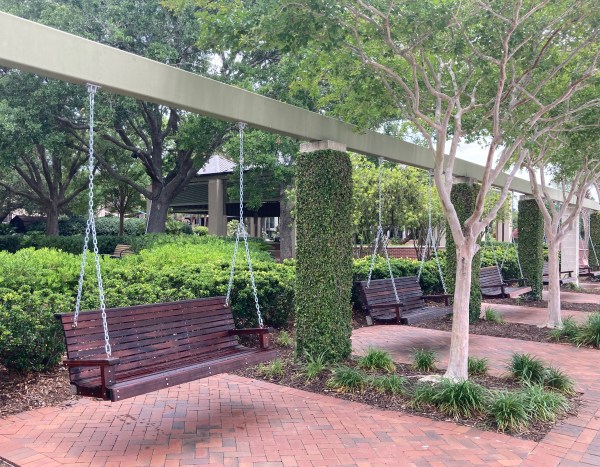
I entered a variety of oratories during these two years.  There was a back yard deck, the detailed memory of the Chapel of the Palms by the water, the neighbor’s backyard garden with the koi pond, a friend’s covered dock with unexpected sightings of dolphins, walks on the beach, a porch swing on a river walk, a bench at a church’s columbarium, a yoga mat, but most importantly, the space within the heart. In these past two years, I have visited the oratory in my heart more than I have ever visited it before. Maybe that’s the truth I needed to discover this week as the world faces another challenge.  And this I know with great certainty in this uncertain world: There is an expansive network of hidden oratories. The community of prayer has grown stronger during these two years.  Where is your oratory? How many have you created and visited during these past two years? 

Excerpts from “The Oratory – On Holy Space” from Joan Chittister’s book The Monastic Heart:

… Now, in these times, we are at the very same kind of moment: Churches are closing as congregations move or disappear. Massive cathedrals stand alone in the cities, still cavernous, too often empty. Now, perhaps more than ever, we need to “let the oratory be what it is called.” We must let it call us beyond our present overwhelmed selves. What will happen to our hearts if there is no place for us to find the beauty of emptiness in an overstuffed world? We live in an overnoisy, overcrowded, overstimulating round of events, with hardly a break to think through the important questions of life: What is life about? What is the purpose of our lives? How can we possibly make things better, more whole, for our families, for our world, for ourselves?

… The oratory tells you that you yourself must reach out, stop, sink down inside yourself, and let the weariness, the pain, the fear of abandonment evaporate and go to dust in the presence of the soothing warmth of faith and the promises of security, beauty, joy, and happiness that come with the presence of God in your life. 
Blog at WordPress.com.

Up ↑