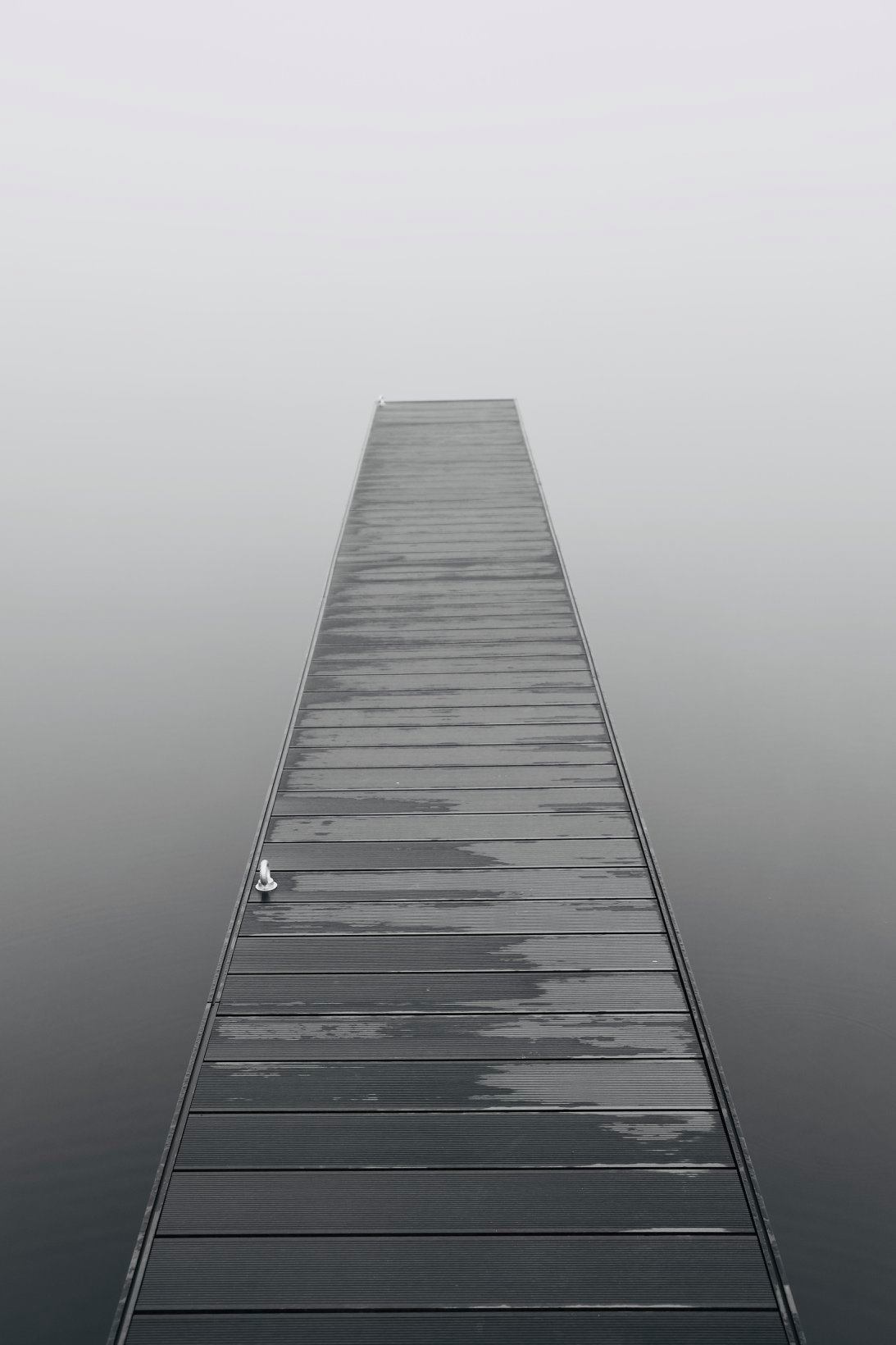
“It isn’t the changes that do you in, its the transitions. They aren’t the same thing. Change is situational: the move to a new site, the new boss, the revisions to plans. Transition is psychological; it is a three-phase process that people go through as they internalize and come to terms with the details of the new situation that the change brings”. –William Bridges from the book “Managing Transitions”.
What Happens When Your World Changes?
The lifting of the Stay at Home order only intensified change. The new reality was evident in every outside interaction. But I was aware of the Not Knowing Place,” so wondered how I would integrate this awareness into my life. In a meandering of clicks and connections, I found Designing Your Covid Life: Part Six – Generative Reframing
In the video, the authors (Bill Burnett and Dave Evans) ask “What happens when your world changes?” They introduced a model for reframing and offered William Bridges’ quote on change and transition.
They spoke about the three phases of transition:
- Ending, Losing, Letting Go
- The Neutral Zone
- The New Beginning
William Bridges writes in Managing Transitions, “Because transition is a process by which people unplug from an old world and plug into a new world, we can say that transition starts with an ending and finishes with a beginning.”
“Transition Starts with an Ending. That is a Paradox, but True.”
Aha! Standing in paradox! “Once you understand that transition begins with letting go of something, you have taken the first step. The second step is understanding what comes after the letting go: the neutral zone. This is the psychological no-man’s-land between the old reality and the new one. It is the limbo between the old sense of identity and the new. it is the time when the old way of doing things is gone but the new way doesn’t feel comfortable yet.
Here was a description that fit the Not Knowing Place. This place between the old and the new! Knowing but Not Knowing. Why did it take a global pandemic to discover the connection? (Was it due to the abundance of unscheduled time?) Oddly, I had attended a workshop in February that spoke about transitions, even used information from Bridge’s transition work but it didn’t click. I couldn’t see the unseen architecture. .
For me, here is a way to help the human spirit in search of peace. This has always been important to me since self-publishing RESURGAM and encountering peace while remembering the unknown WWI soldiers in Verdun, France. This seems like a huge leap from the global pandemic in 2020 but the grounding is this: Change is external, transition is internal.
After I returned from Verdun with the “answer,” I could write about the situation of what I experienced and learned, but there was more than the outer story, there was also an inner story that took much longer to mine. I was in the Neutral Zone, or the Not Knowing Place. Back then I called it “No Man’s Land,” and No Man’s Land was not a place I wanted to be. Yet, having trekked across battlefields and into dank underground forts, this is where I was during the writing (or the transition of processing what I experienced).
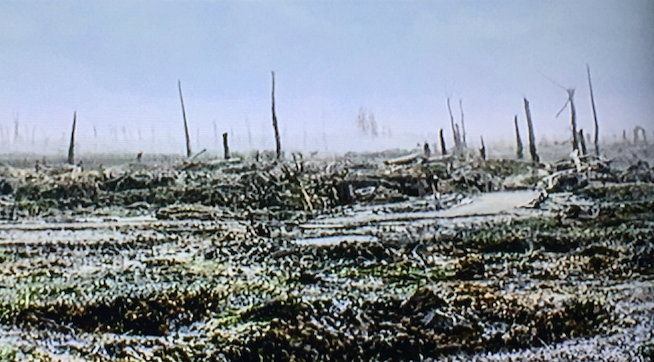
I persevered because I was committed to writing and completing the story. It took a lot of time and the ground of remembrance transformed.
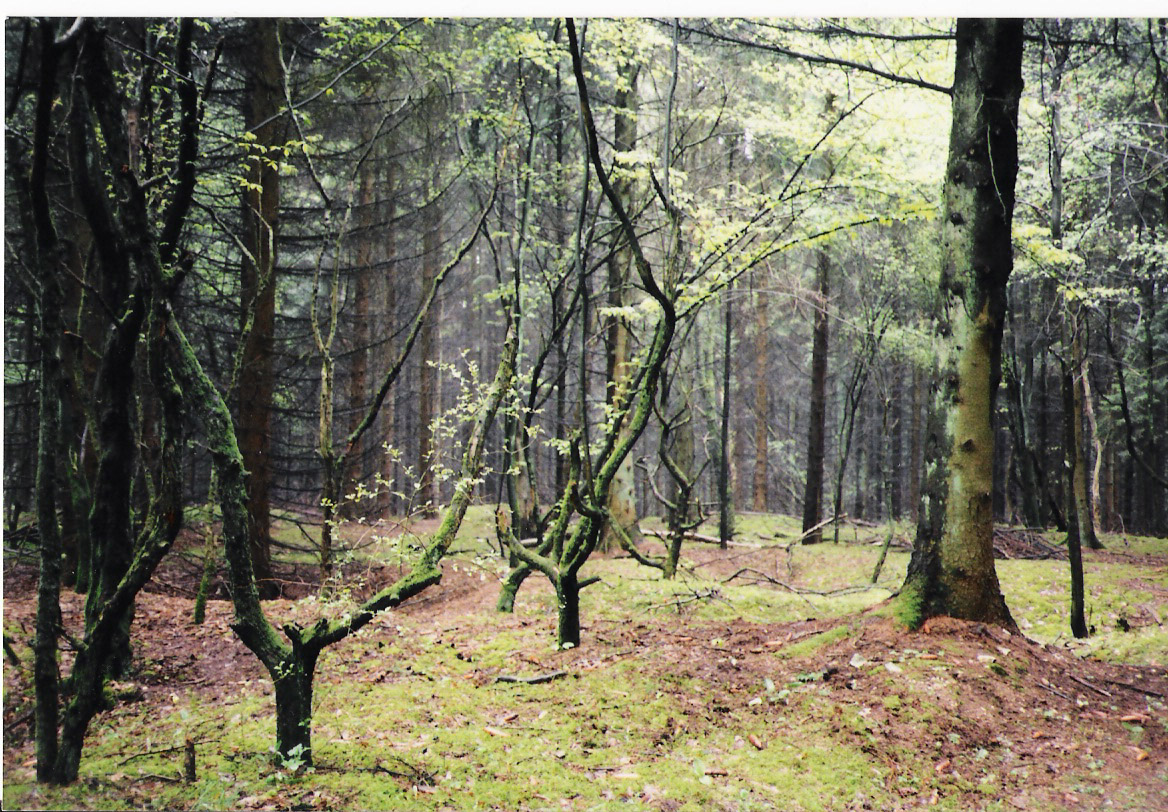
I moved out of the Neutral Zone and into the New Beginning.
As Stephen Cope wrote, “Holding an inner or outer conflict quietly instead of attempting to resolve it quickly is a difficult idea to entertain. It is even more challenging to experience. However, as Carl Jung believed, if we held tension between the two opposing forces, there would emerge a third way, which would unite and transcend the two. Indeed, he believed that this transcendent force was crucial to individuation. Whatever the third way is, it usually comes as a surprise, because it had not penetrated our defenses until now. A hasty move to resolve tension can abort growth of the new. If we can hold conflict in psychic utero long enough we can give birth to something new in ourselves.”
 creative meander
Leave a comment