The Second Look: the Garden Wall at Brookgreen Gardens

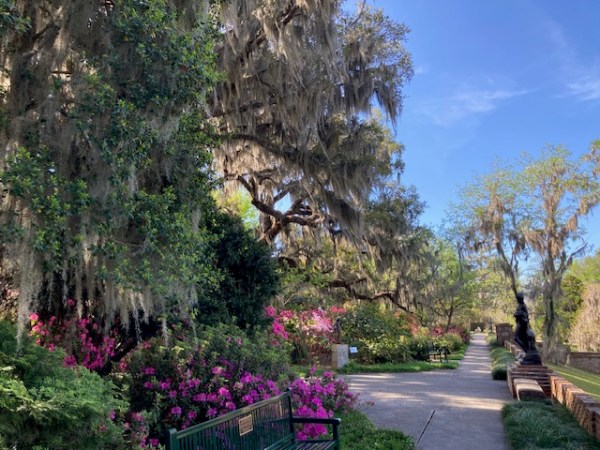
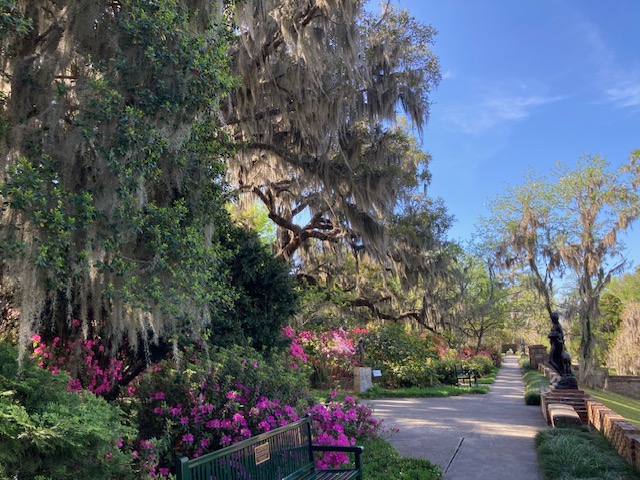
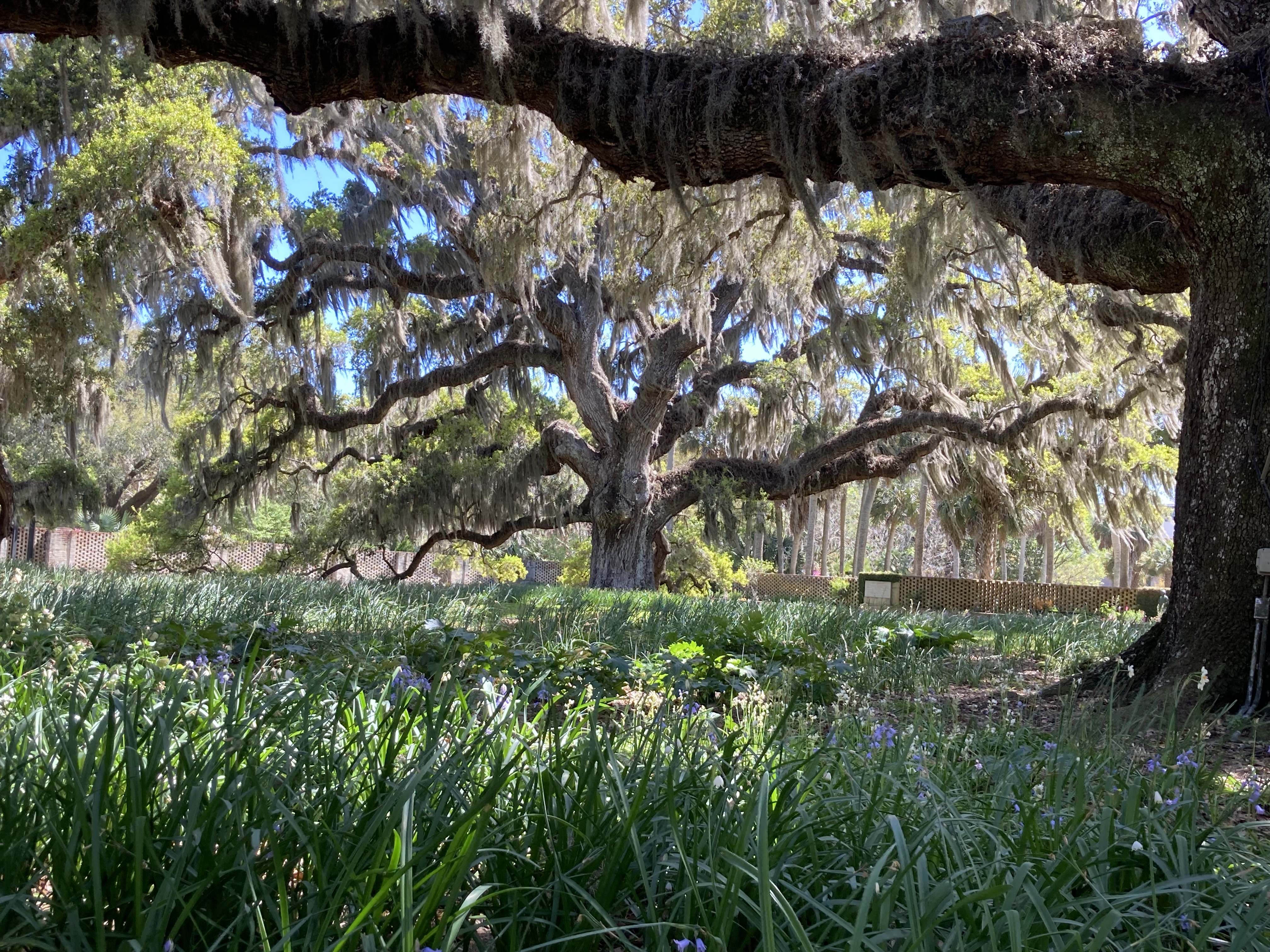
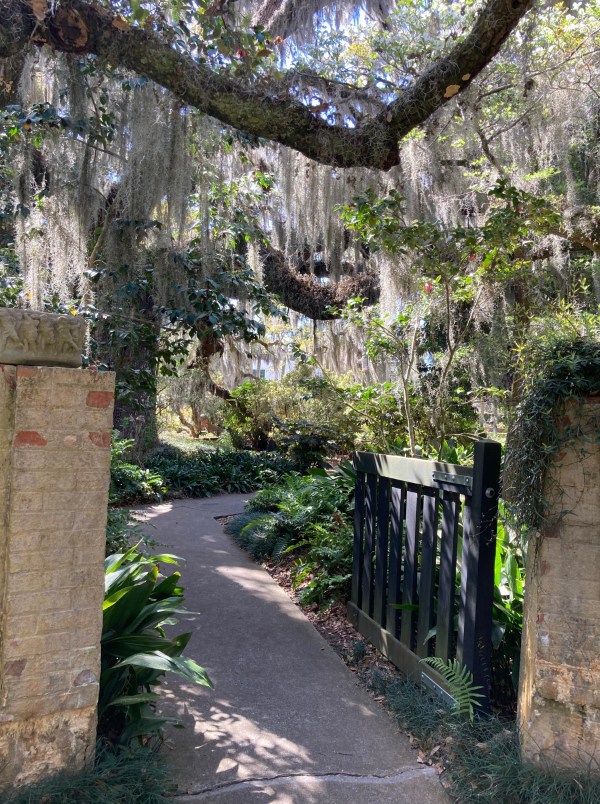
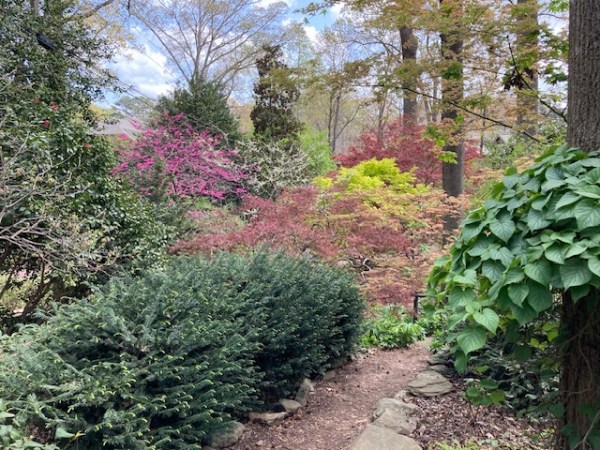
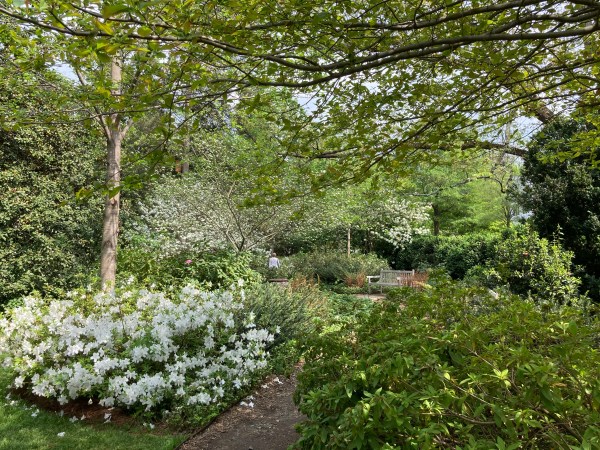
So grateful that I returned for a second visit in the light of spring to see what was beyond the garden wall at Brookgreen Gardens.

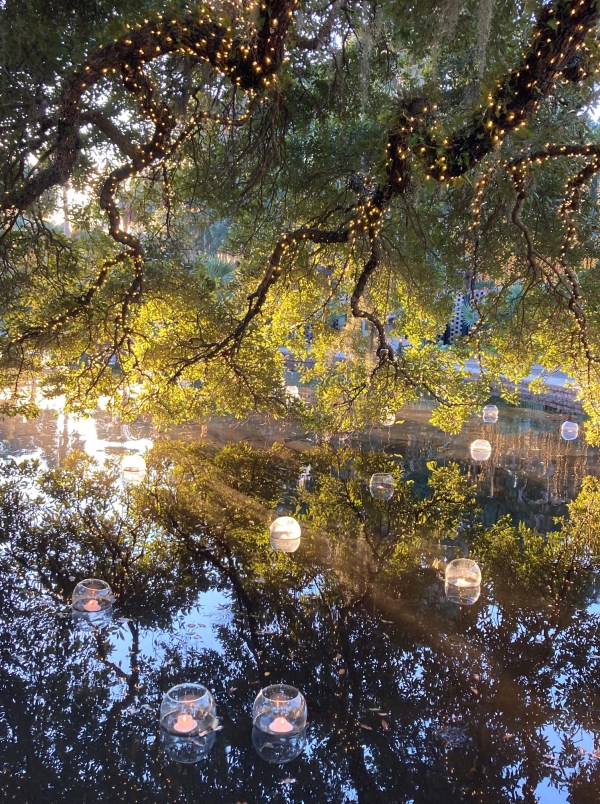
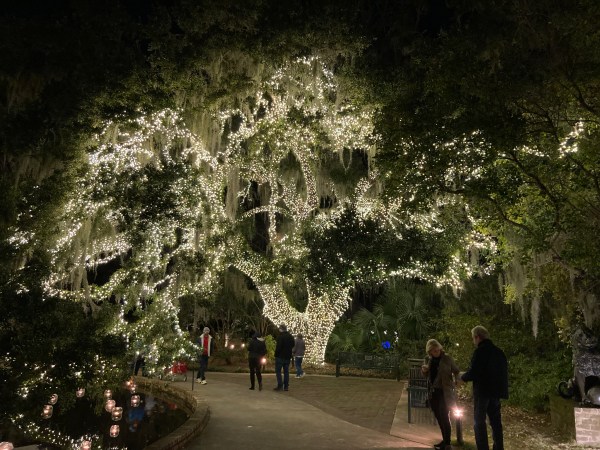
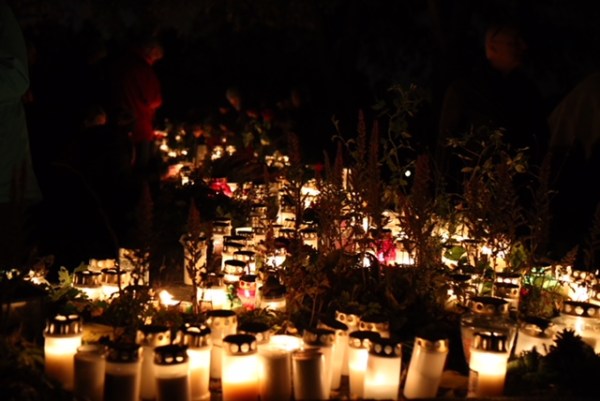
The flickering candlelight on the slope outside the garden wall in December had been unexpected. The dark night was the backdrop during ‘Nights of a Thousand Candles.” The candlelight in the darkness was such a contrast after moving through the glorious spectacle of the electrical light show that showcased the garden and sparked wonder in so many ways. There was a joyous energy of delight and awe as we explored the garden paths and then, at the back wall, encountered the quiet of candlelight and the backdrop of winter darkness. I wondered, “What is beyond the garden wall?” The darkness offered no clue. But I heard a prompt: “Come back in the spring.”

My curiosity was kindled.

I received the answer when I returned in March 2026.

Continue reading “The Second Look: the Garden Wall at Brookgreen Gardens”

The Redemption of Our Wasted Time

During my visit to Brookgreen Gardens and after it, the words “cri du coeur” arrived in my awareness. I remembered that Phil Cousineau mentioned the “cri du coeur” in The Art of Pilgrimage so days after returning home, pulled my copy from the shelf. The cri du coeur, the cry in the heart, issues the calling.

“What if we… long for a form of travel that responds to a genuine cri du coeur, a longing for a taste of mystery, a touch of the sacred?

For millennia, this cry in the heart for embarking upon a meaningful journey has been answer by pilgrimage, a transformative journey to a sacred center. … Always, it is a journey of risk and renewal. For a journey without challenge has no meaning; one without purpose has no soul.”


Decades ago, “Remember them” resonated as my cri du coeur, and was the catalyst for my own pilgrimage.

“Pilgrimage” as noted by Phil Cousineau:
“Pilgrimage is a powerful metaphor for any journey with the purpose of finding something that matters deeply to the traveler. With a deepening of focus, keen preparation, attention to the path below our feet and respect for the destination at hand, it is possible to transform even the most ordinary trip into a sacred journey, a pilgrimage… What legendary travelers have taught us since Pausanius and Marco Polo is that the art of travel is the art of seeing what is sacred.”

“Pilgrimage is the kind of journeying that marks the move from mindless to mindful, soulless to soulful travel. The difference may be subtle or dramatic; by definition it is life-changing. It means being alert to the times when all that’s needed is a trip to a remote place to simply lose yourself, and to the times when what’s needed is a journey to a sacred place, in all its glorious and fearsome masks, to find yourself.”

I am being attentive to the words ‘the cry of the heart.’ Why did the words cri du coeur arrive? There is the need for synthesis that can’t be rushed.

With “The Art of Pilgrimage” off the shelf, I returned to other pages I had read so many times before. “Considering the Marvel,” speaks to Henry Beston’s experience on Cape Cod to witness the “incomparable pageant of nature and the year”:

“Beston’s book, The Outermost House, became a model witness for what nature has to teach us. There was always something “poetic and mysterious, such as the bird tracks in the sand dunes. One day he contemplates the surf and looks out to sea, imagining what lies on the other side—Santiago de Compostela, “renown of pilgrims”—and recalling how when he was there he was offered a scallop shell, but “I would have none of it, and got myself a seashell from some Galician fisherfolk.” This spirit of seeing for yourself and finding your own talisman reflects the true pilgrim spirit.”

“Consider the marvel of what we see,” he writes in the hushed tones of the contemplative traveler. “Somewhere in ocean, perhaps a thousand miles and more from this beach, the pulse beat of earth liberates a vibration, an ocean wave… So, it goes night and day, and will go till the secret heart of the earth strikes out its last slow beat and the last wave dissolves upon the forsaken shore.”

…The gift he (Beston) brought back, his insights, his observations, are a constant reminder of the beauty and mystery available to those, using as the Sufis said, “the eyes of the heart.” Like the greatest of travel writers, he reveals how any journey, whether as part of a crowd or in solitude, can produce the moment of awe, the vision, contact with the numinous. In stillness, at the still point of our journey, is the redemption of our wasted time.”

The pause is the beauty.

The Art of Pilgrimage – The Seekers Guide to Making Travel Sacred by Phil Cousineau


Beyond the Garden Wall

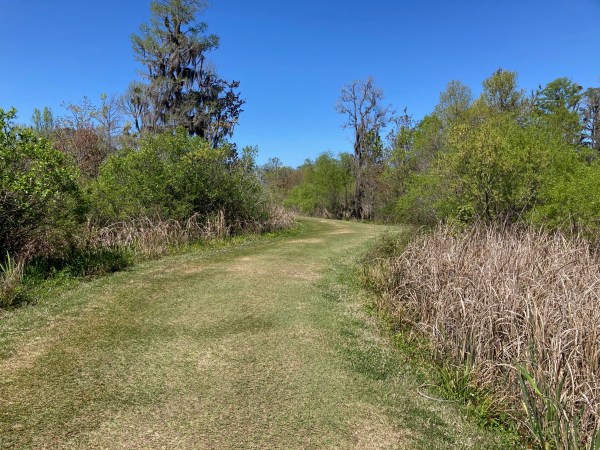
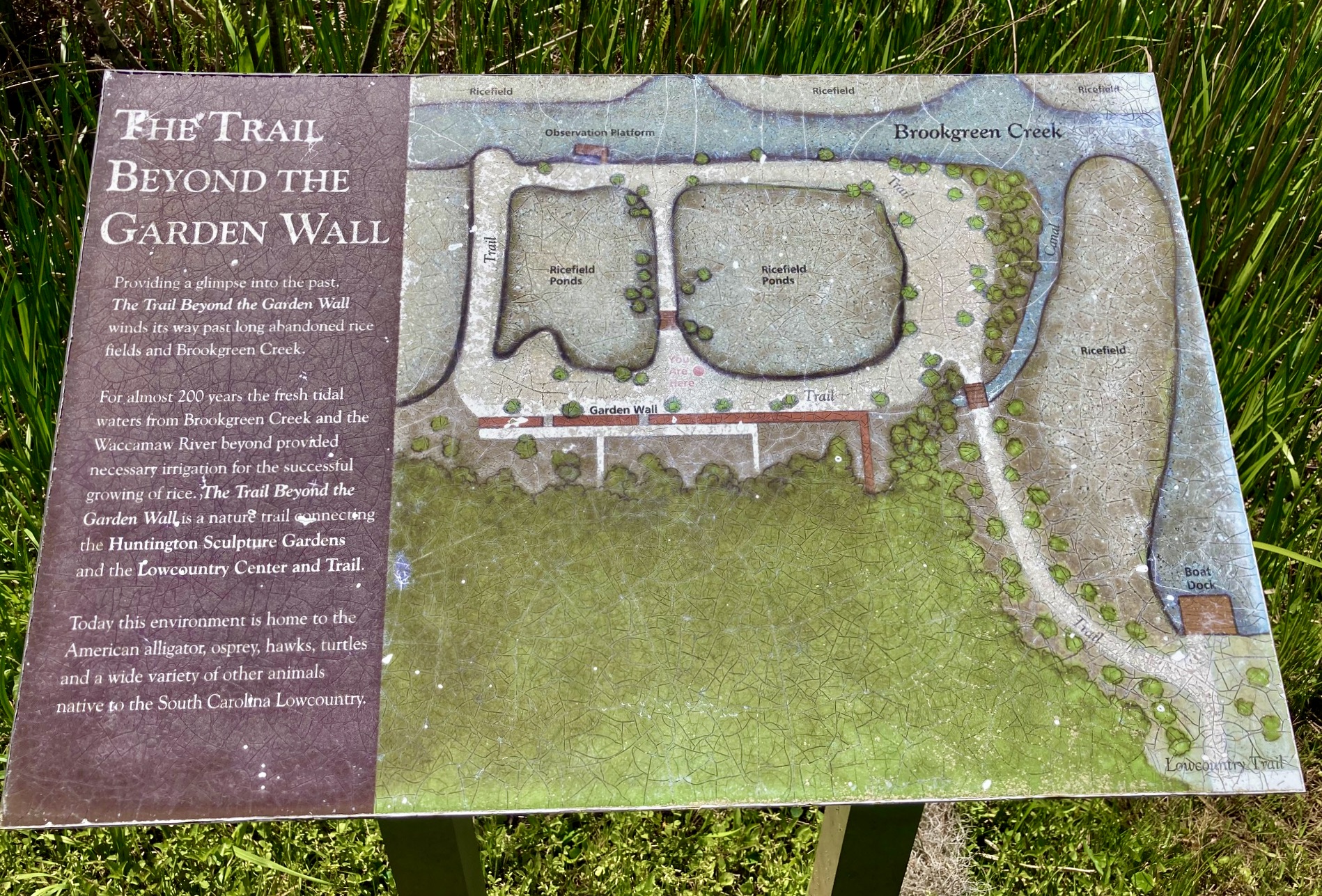
I returned to the back wall of Brookgreen Garden and looked out on what seemed to be a wide grass path cutting through undeveloped wetland. Most of the gates that opened to stairs leading down into this natural area were locked but to the far left, there was an opening and a path offering access. I walked down the path and found a sign:

This “undeveloped land” was actually developed. Beyond the garden wall were abandoned rice fields. If I hadn’t read the sign, I would have believed the land to be undeveloped wetlands. I had no idea. Further down the path was the Brookgreen Creek, which connected to the Waccamaw River. Both flow with fresh tidal water.

Continue reading “Beyond the Garden Wall”

The power of subtlety

During “Nights of a Thousand Candles” on a cold evening in December, I was immersed in awe and wonder. This was my introduction to Brookgreen Gardens (Murrells Inlet, SC) and it was magical. 

Garden paths led to different wondrous spectacles of light and entries into enchantment. After passing by the Alligator Bender sculpture there was the arrival at the back garden wall.

Outside the back garden wall, candles illuminated a sloping hill that led into the dark night.

Continue reading “The power of subtlety”

The Lightness of Being in Bronze

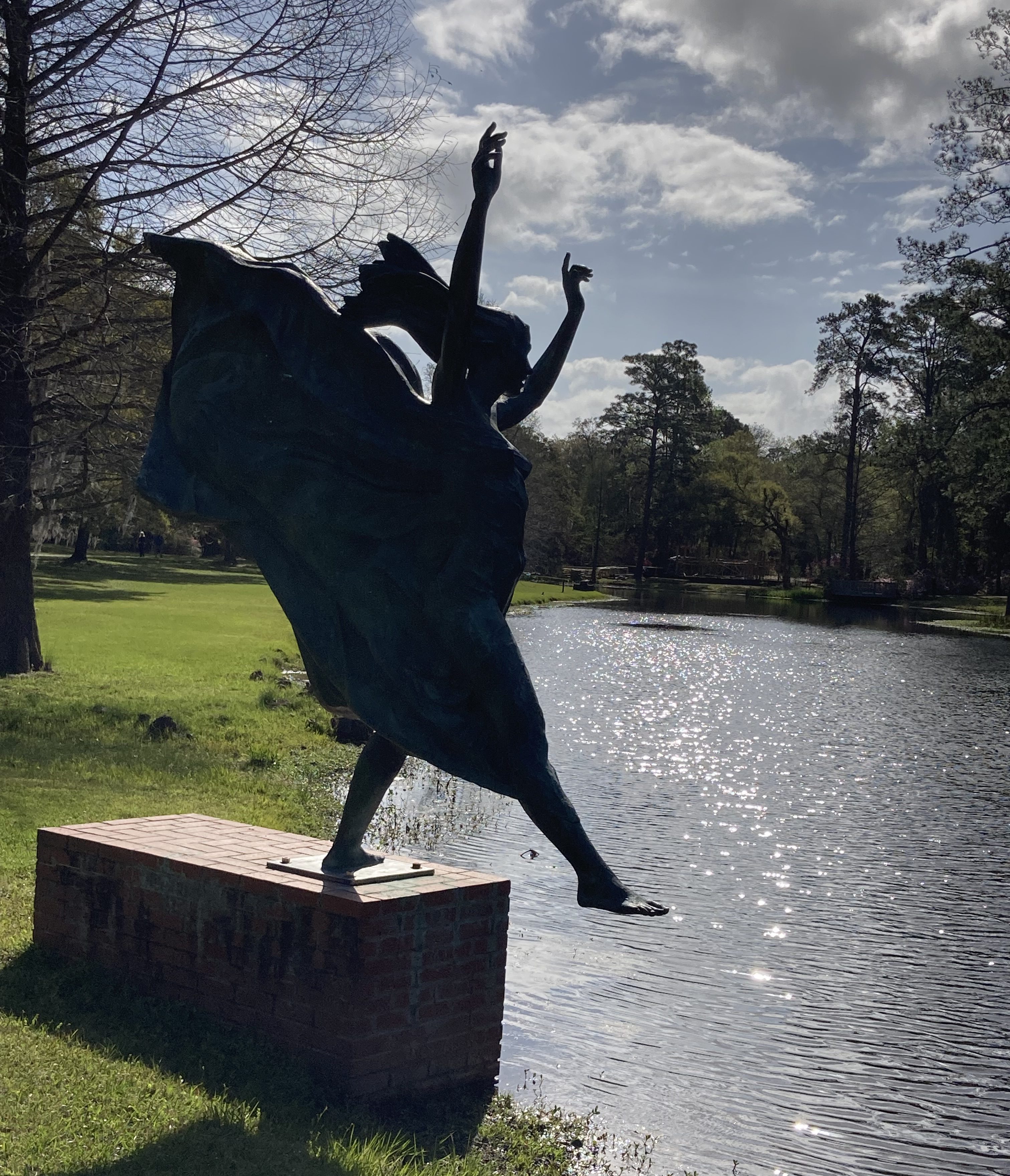
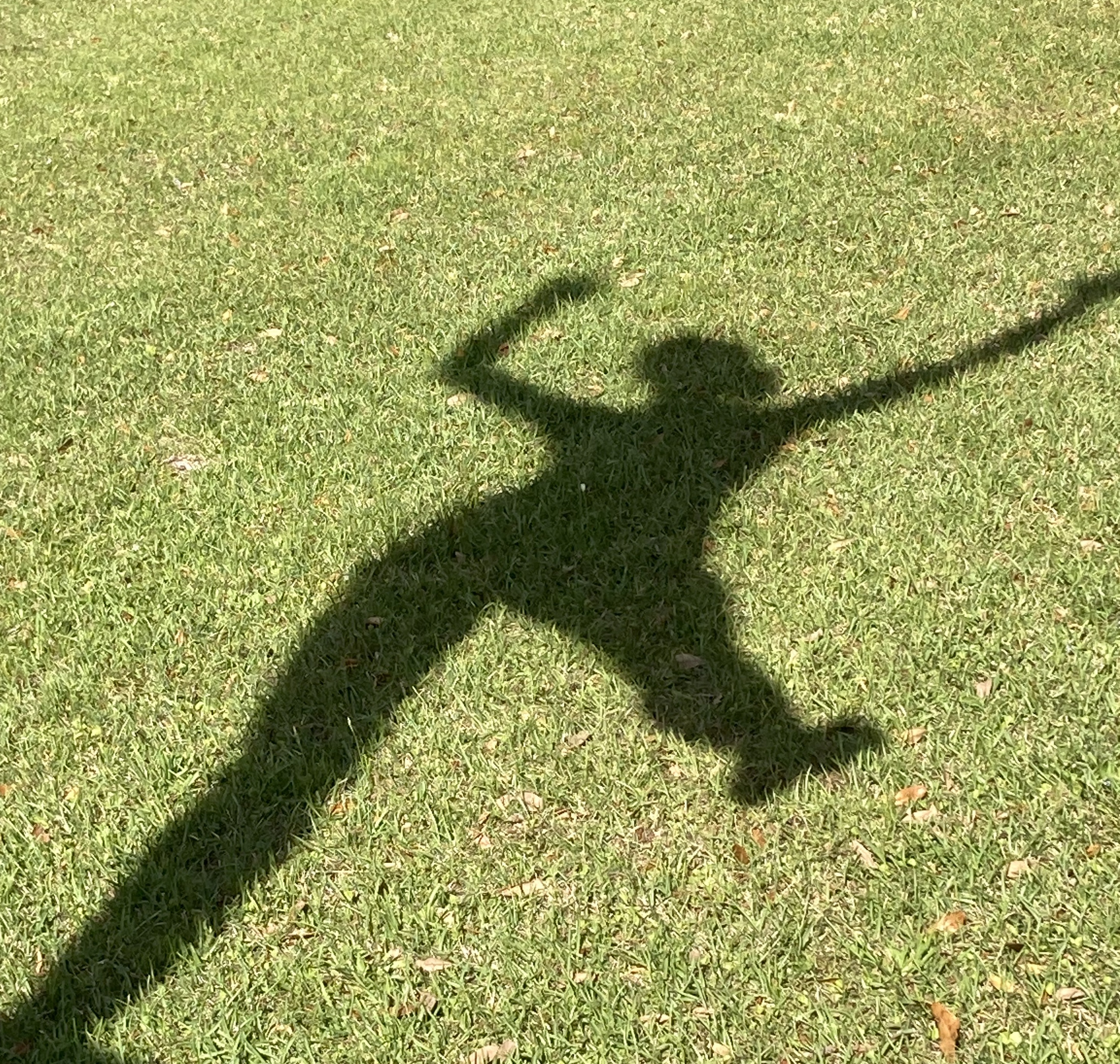
“Wind on the Water” is along Brookgreen Garden’s Live Oak Allee near Jessamine Pond. A sister sculpture “The Spacewalker” is nearby. Its shadow is below. Both sculptures by Richard McDermott Miller.

The Importance of Place

Wyeth: “I can wander over timeless hills. This one hill becomes thousands of hills to me. In finding this one object, I found a world.”

Reynolda House Museum of Art is hosting “Andrew Wyeth at Kuerner Farm” through May 25, 2025. The exhibit notes: Wyeth “largely devoted his painting and sketching to a five-mile radius encircling each homeplace. Through this immersion and focus, he sought to deepen his understanding beyond the visible surfaces of things to identify and share that which is universal beneath.

Continue reading “The Importance of Place”
It is the wisdom of the heart, 
the great peacemaker, 
the resolver of opposites that senses the next step to be taken, 
that crosses the abyss and 
approaches the mind with blessings
instead of fear and cursing. 
- Stephen Levine

Return to the Heart Space

From Richard Rohr’s Immortal Diamond:

Next time a resentment, negativity, or irritation comes to your mind, for example, and you want to play it out or attach to it, move the thought or person literally into your heart space because such commentaries are almost entirely lodged in your head.

There, surround it with silence (which is much easier to do in the heart).

There, it is surrounded with blood, which will often feel warm like coals.

In this place, it is almost impossible to comment, judge, create story lines or remain antagonistic. You are in a place that does not create or feed on contraries but is the natural organ of life, enbodiment, and love. Love lives and thrives in the heart space.

These words are hidden in Appendix D (pages 204-205). By chance, I opened the book to these pages and “heart space” caught my attention. I was instantly reminded of where I needed to be. There is peace in the heart space.

Rushing through life

It’s as though we were rushing through our lives, and in our hearts, there is the flame of a candle. Because we are moving at such high speed, this essential interior flame is always on the point of going out. But when we sit down to meditate, when we become still, when we are not thinking in terms of our success or self-importance, of our own will, when we are just in the presence of the One who is, then the flame begins to burn brightly. We begin to understand ourselves and others in terms of light, warmth and love.” (John Main)

From the article, Advent’s Unanswered Questions by Teresa White FCJ.

Returning to the heart with peace

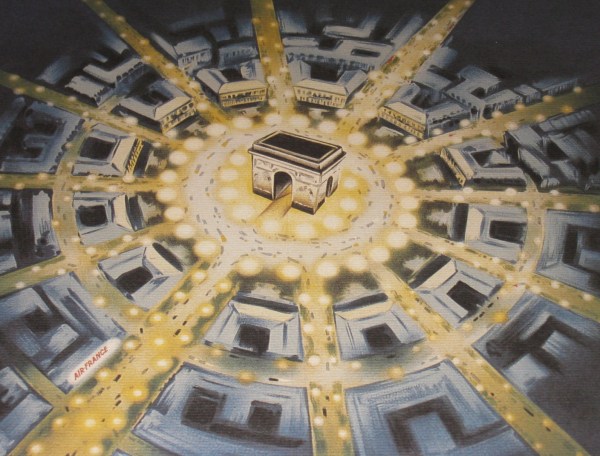
May 5: The next morning in Paris, I walked over to the Arc de Triomphe. Once again, I stood at the foot of the tomb of the Unknown Soldier, my eyes transfixed on the eternal flame. I believed a revelation would occur. Nothing external happened. But suddenly I realized the revelation was within me.

Peace begins with me.

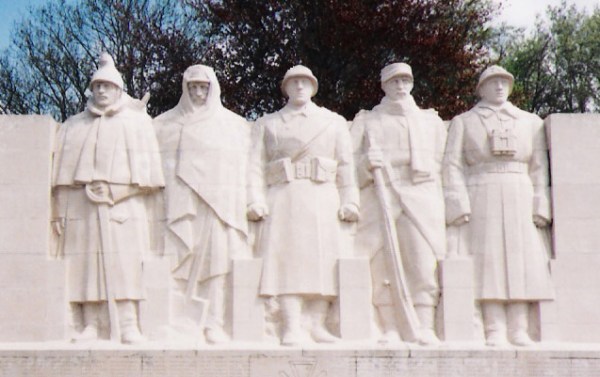
The Unknown Soldier buried beneath the massive monument was a man with a body who fought in Verdun. It’s so hard to remember that fact when you’re faced with the massive surfaces of stone, marble and brass. He had a life, he was part of a family, and he had a heart. In Verdun, the soldiers died. Most walked into the battle knowing they would die. They died fighting in a war that was to end all wars. And yet, the world continues to war on the outside.

For me, there was an echo that I now understood: 

Remember them. Remember the gift they gave you. The peace begins within you.

Continue reading “Returning to the heart with peace”

The visit and return to Paris

May 4: I had been in Verdun where hundreds of thousands of soldiers were killed due to war.  I had spent two intensive days searching for the unknown soldiers and found myself acknowledging the impact of war’s devastation and death. I had walked where life had been extinguished over and over again. I had drifted into the underworld. If there were ghosts, or souls doomed to walk through battlegrounds because their bodies lacked a proper burial, or unsettled spirits caught between realms of life and death, my guess was that they would be here in Verdun. 

I awoke at 5 o’clock to the creaking of hardwood floors. It was a consistent creak and sounded like someone was standing on my floor, watching me. I opened my eyes and saw nothing but darkness. I listened intently to the creak. It was coming from the floor, or near the chair, by the windows in my hotel room. It was unsettling because I knew the noise wasn’t coming from the room above. On Saturday night, I heard the sound of people walking on that floor. This was a different creak. It was coming from my room and sounded like someone was shifting weight from one foot to the other foot. There was a presence in my room that wasn’t me. 

Continue reading “The visit and return to Paris”

Entering Cote 304

May 3: Finding my way to Cote 304

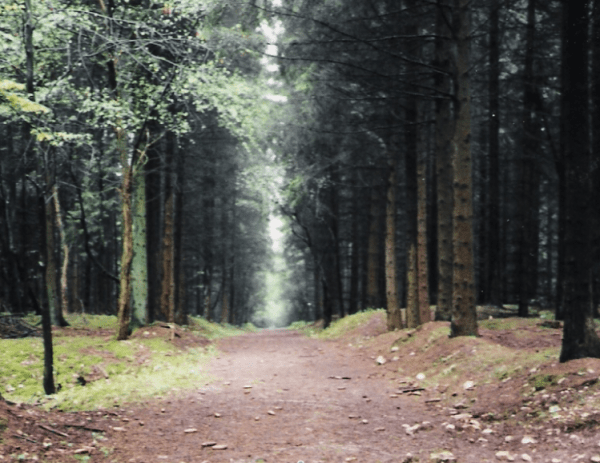
I could see the approach of Cote 304 because a grove of Australian pines was nearing. The worst areas devastated by the war were reforested in the 1930s with Australian pines. It would take over three to four centuries for nature to fully recover the area. That evidence was clear wherever I went from Fort Vaux to Le Mort Homme where the artillery had broken the ground and shattered the subsoil.

The car turned onto a narrow lane that meandered through a forest of green conifers, which held back the sun and cast darkness onto the wood line floor. We approached the summit and circled around a tall monolith memorial. Marc and I got out of the car and I walked over to the woods at Cote 304. The ground was pocked and cratered by the bombs and ammunition that had blasted devastation into the ground. There was a dirt road cutting into the wood line. The stronger voice inside me whispered, “Go there.” I walked into the wood line aware of the magnitude of death that saturated the soil, knowing each step I took at Cote 304 was on the battleground where the living had fallen dead.

I stood there, feeling like a living sacrifice, with my hand up near my face. I could feel my breath on my hand. I could feel my face against my hand. I needed this sensory connection to life. As I stood there, the wind whispered through the pines. My eyes noticed the ground was blanketed in pine needles. Green moss grew in patches. Weeds grew in other places. There was life on the wood line floor. Although it looked dark from the road, I realized there were shafts of light streaming in the wood line. The wood line wasn’t filled with death. I stood on the ground of Cote 304. I wanted to remember and feared that my memory would forget. I took two pictures, and then regretted the noise from the shutter clicks. The woods deserved silence. I decided not to make any more noise on the ground where so many thousands of soldiers had died.

Continue reading “Entering Cote 304”

Entering the darkness at Fort Douaumont

May 2 (2 of 3): It was still raining as we departed the van. The parking lot of Fort Douaumont was a white muddy field. Barbed wire encircled the fort’s perimeter, and green grass covered the surrounding craters. There was a winding path leading up to the top of Fort Douaumont, but we headed down into the entrance door and visitor’s center. My first impression after crossing the fort’s threshold was the stench. It smelled like a rotten Pont l’Eveque cheese. (Pont l’Eveque is a pungent cheese when it’s fresh.)

Continue reading “Entering the darkness at Fort Douaumont”

Joining the ‘Champ de Bataille’ 

May 2: (1 of 3): I headed to the Hostellerie Coq Hardi. Since Coq is rooster in French, it wasn’t surprising to find roosters the theme in the lobby.

The floorboards creaked as I entered my room. The curtains were drawn, so I switched on the overhead light. A fabric of harvest gold roses, not wallpaper, covered the walls. The unattractive fabric walls and matching harvest gold drapes made the room extremely dark. I opened the curtains to a view of the post office across the street. 

There was no time to be concerned with the décor of my room since the clock was approaching 2 o’clock. I tossed my luggage into the room and headed outside. I found the Tourism Office. It was a dismal place. I saw people boarding a mini-van across the street. I looked at the sign: Champ de Bataille leaving at 2 o’clock.

“Is there room for one more person on the tour?” 

The hostess replied, “Yes, but it’s a French/German tour. The guide won’t speak any English.” 

“That’s okay, I’d like to take the tour.” 

Another hostess darted across the street to alert the tour guide of an additional person joining the group. After paying my fare, I ran across the street. 

The tour guide asked in French, “Do you speak French?”
I replied, “No.”
She asked, “Do you speak German?”
I replied, “No.” (I didn’t mention I had three years of German in college.)
“I speak very little English,” she said.
“That’s fine. I want to see the sites.”
I boarded the mini-van and sat down in the only available seat – a folding jump seat in the aisle. The man sitting next to me turned to me and said, “I speak English! I will translate for you!” 

So, the tour guide would speak in French, then in German, and the kind Belgian man would translate into English. As the mini-van headed out of the Verdun city limits, the driver made a quick stop in front of a cemetery. He drove across the lane of oncoming traffic, then over the curb, and stopped the van on the sidewalk. (I began to wonder what kind of ride this was going to be.) The windows were fogging up on the inside, so with my closed umbrella I wiped away the condensation to get a better view of what was outside. 

As we drove toward Fort Vaux, there was a transformation in the landscape. The trees became stunted and the ground pocked with craters. There was a sign of a lighted match inside a red circle with a cross mark that served as a warning. No fire. There were still live bombs in the woods. So many thousands of shells dropped into the ground that the buried ammunition of decades past could still be sparked by a match. 

No Man’s Land – Fort Vaux

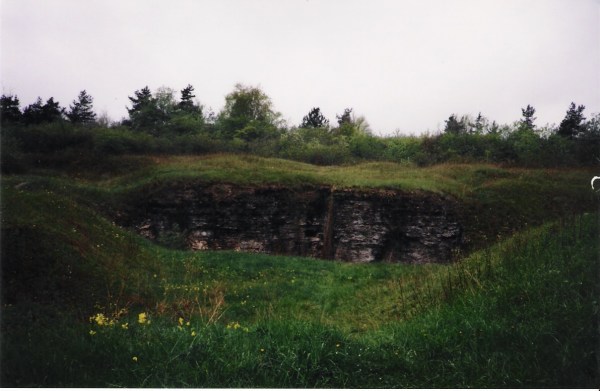
Fort Vaux was built into a rock formation. It was starting to rain as we headed into the visitor’s entrance. The tour guide picked up an English handout from the visitor’s desk and gave it to me. The fort smelled musty from the dampness, and it was chilly. I met the Belgian man’s wife. She spoke English too. We headed into a dark exhibit area that held a few personal effects from the soldiers, and then walked into the main corridor of the fort that was illuminated by bare light bulbs spaced far apart. The rooms off the main corridor dropped into blackness. Some rooms had numbers corresponding with numbers on my handout sheet. We walked down the corridor to the right and viewed the hospital rooms, barracks filled with bunks, stairs leading down into a black abyss, and an escape tunnel. Puddles of water stood in the floor. The Belgian woman and I discussed what it must have been like for the soldiers trying to survive here in the winter. I expected to see a rat sneaking down the dark, dank corridor. 

There were many openings off the main corridor. A short distance from one opening was a large mound of dirt that was topped by a Latin cross, which was illuminated by a light bulb. It was a mass grave that ran parallel to the corridor we were walking through. As we continued to walk to the other end of the fort, we passed a chapel. I read my handout. During the war, the dead bodies were placed in this area and covered with lime. 

Later, the area was bricked up. The bodies remain behind the wall. The area in front of the wall was transformed into a chapel. A few candles were burning. I lit a candle for the unknown French soldiers and said a prayer of remembrance for them. 

The tour congregated in the gun room where the rusty gun remained. The large barrel stuck out through a hole in the fort’s wall. I looked out another opening and saw a choppy, turbulent sea of earth under thick hovering gray fog. Each hillock was created by bombs. I’ve always heard of “no man’s land,” and here it was. Time stood still. It was untouchable, and desolate. The land was lifeless, and nothing moved but the fog. The tour moved on and took us all away from the lookout across the war zone. 

We returned to the visitor’s center at Fort Vaux. I bought postcards of WWI soldiers at the Ossuary on Remembrance Day. Before returning to the bus, I walked to the edge of the parking lot and took a picture of the landscape. I was amazed that no one else seemed to pay attention to the land surrounding us. The land had been free from war since 1919 yet the effects of the war continued to haunt it. The parking lot was the only leveled ground in sight. Deep bomb craters were everywhere, and they were staggering. The trees were small saplings; the trunks were no larger than a woman’s wrist. I thought of the trees back home that were over fifty years old: The oaks, elms and maples towered above the streets and their branches reached out like a grandmother’s open arms. 

Pigeon Rings

The next stop on the tour was the Memorial of Verdun that displayed relics from both the French and German sides. There were hats, uniforms, ammunition, guns, documents, and pictures. We were herded into the auditorium to watch a film, In the Soldiers Footsteps. I received a headset that translated the audio into English. A blur of faces and troops is what I can remember most, not the words. Although I do remember a statement,

“These soldiers were men with a different character; strong men who walked into a battle knowing they would die.” They knew they would die. This was the truth of their war. 

I was intrigued by the display in the center of the memorial of razed earth as it might have been in 1916 – cratered and scattered with the remains of war and void of the presence of life. I tried to visualize the entire region of Verdun as depicted here. I discussed this scene with the Belgian couple, and then the Belgian man told me the story of his grandfather who was killed by the SS (Schutzstaffel) during WWII. 

His mother was 14 the day she opened the door to discover the SS or “Nacht-und nebelgefangenen” (Soldiers of the night and fog) on their porch. Along with being a doctor and a mayor, his grandfather made pigeon rings that were attached to a carrier pigeon’s leg. Carrier pigeons were an important method of communication in WWII. The Nazis wanted to kill all the French pigeons to help stop French communication. 

The SS had issued the command for the French to bring either the pigeon or the ring to them. (When they had the ring from the pigeon’s leg, they knew the pigeon was dead.) A member of the resistance had asked the doctor to help him make an extra ring for his carrier pigeon. Then he could give the Nazis the fake ring and would still have his pigeon to send messages. The doctor said he would do this but asked him not to tell anyone. The Belgian man added, “I’m not sure how many rings my grandfather made for the resistance, but this is why the SS took him away.” 

When the SS took the doctor to prison, his wife was pregnant with their fifth child. The doctor was killed in 1944 and never saw his son. Fifty years later, in 1994, the Germans wanted to reconcile and the Belgian man and his family went to the prison. His grandmother and uncle (the son who never saw his father) did not. She never remarried, and her life changed dramatically from being the wife of a doctor and mayor to being a widow with five children. The Germans returned letters that his grandfather wrote in prison but were never mailed by the SS. In the letters, the doctor spoke about the child his wife was carrying. 

Continue reading “Joining the ‘Champ de Bataille’ “

The Way to Verdun

May 1: I had to leave my hotel early to catch the train leaving from the Gare l’Est station to Nancy. The front desk had warned me that few places would be open due to the French Labor Day on May 1.

They were selling lily of the valley bouquets in Gare l’Est to celebrate Labor Day. I wanted to buy a bouquet, but decided I was carrying enough as I navigated through the train station. Read more: The train to Nancy

May 2: When I checked out of the hotel in Nancy, the woman at the front desk gave me a small bouquet of lily of the valley. She explained the flowers symbolized good luck. It seemed like a good omen to me as I left for my final destination where I would enter Cote 304 to face the unknown fire. 

Continue reading “The Way to Verdun”

Starting Point: At the heart of the Star (Place d’Etoile)

April 30: I was walking clockwise from Avenue Kleber around Place Charles de Gaulle (also known as Place d’Etoile) in search of the tunnel that would lead me under the busy roundabout that surrounds the Arc de Triomphe. I found the tunnel at Avenue de la Grande Armee and descended into the corridor, which was surprisingly deserted of people. There was a nicely dressed Frenchman about twenty paces ahead of me. He paid no heed to the sign in French that was posted on the partially closed gate, but pushed it open and kept walking.

I followed him. As I walked deeper into the empty tunnel, I realized that following a man I didn’t know, through a deserted tunnel, in a foreign country was not exactly a smart move for an American woman traveling alone. And feeling confident that I would scream for help if something did go wrong was ridiculous. Who would hear my screams in an empty tunnel? I had arrived in Paris only a few hours earlier and now marveled at my lack of decision-making skills. I needed to wake up. I chalked up my actions to jet lag and promised myself to pay better attention to what was going on around me.

Continue reading “Starting Point: At the heart of the Star (Place d’Etoile)”

What grows in 25 years

25 years ago today, April 29, I was on a plane heading to Paris for five days in France, specifically to visit Cote 304 and Verdun.

Back then, I was writing what would become “Resurgam—Standing on the Ground of Remembrance.” On the surface, it looked like a war story but it was much more than that. The wood line I had envisioned in Alpha Company’s story seemed very similar to Cote 304. I wanted to know if Cote 304 was the ground I had imagined. I learned about Verdun on December 25 while looking through a tour book on France and by February 20 decided to go there. It made no sense why a place completely devastated by war intrigued me. The verdant land had been slaughtered by war. And yet poppies flourished on the war-torn ground in France. During my WWI research in February 1998, bits of the poem I read “In Flanders Fields” by John McCrae would drift into my thoughts.… we are the Dead. Short days ago we lived, felt dawn, saw sunset glow. Loved and we loved, now we lie in Flanders Fields… 

I wondered what story I would discover when I remembered the unknown soldiers from WWI. The words of John McCrae’s poem continued to draw my attention:
Take up our quarrel with the foe: 
To you from failing hands we throw 
The torch; be yours to hold it high. 
If ye break faith with us who die 
We shall not sleep, though poppies grow 
In Flanders field

The words seemed to be speaking directly to me. The writer in me wanted to go to uncover the story in Verdun. Yet another side of me didn’t want to go face the darkness.

Deep within my gut I knew the step I had to take. And I did. No one else wanted to go, so I went alone. I prepared with great diligence for a trip to Verdun, the site of the longest and most devastating battle in WWI.

Continue reading “What grows in 25 years”

Rekindle

Schweitzer: “The tragedy of life is what dies inside a man while he lives… In every one’s life, at some time, our inner fire goes out.  It is then burst into flame by an encounter with another human being. We should be thankful for these people who rekindle the inner spirit… who or what will you connect with that will rekindle your inner flame?

Continue reading “Rekindle”

The silent turning of cycles and rhythms

Wayne Muller writes: “Every day, every year circles around the silent turning of cycles and rhythms. At Christmas we are reminded to look carefully, to remember that God can take birth where and when we least expect it, and to rejoice when we discover even the tiniest, infant manifestation of the divine. Hanukkah reminds us again and again that in the dark the light is born, that it is never fully extinguished, no matter how hopeless and impenetrable the darkness. The Crucifixion reminds us that all things must die, and Easter that all things will be reborn. Rosh Hashanah and Yom Kippur remind us that we must account for our lives, our actions, be mindful of what we have done, atone for our mistakes, and begin always and again anew. In the month of Ramadan, we fast and pray, and devote ourselves to a God who will not leave us comfortless. On Sabbath we rest and remember that we are cared for. 

Continue reading “The silent turning of cycles and rhythms”

Embracing transitions

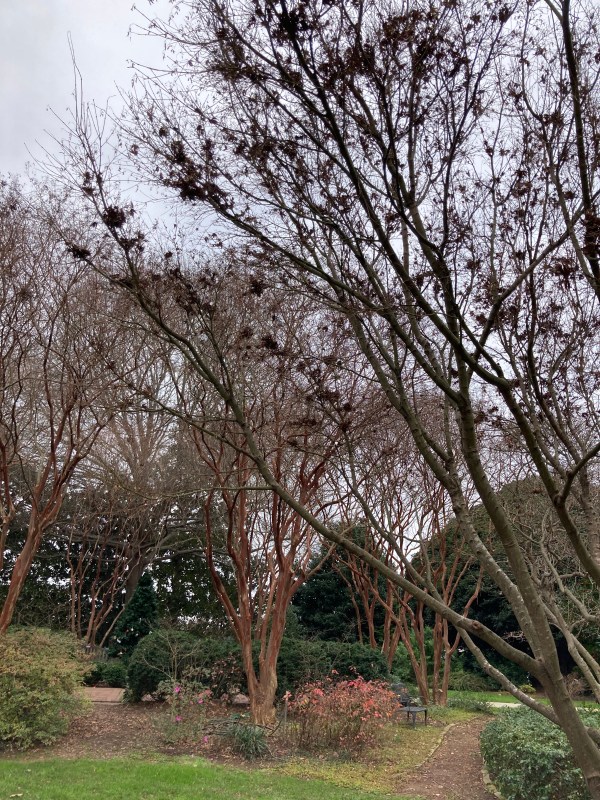
What a difference a few weeks make. I returned to capture the bare-branch beauty of the Japanese maple after its Autumn show only to discover the tree holding on to some of its leaves. The sight was a visual reminder of transition. Not ‘photo worthy’ beauty, but still, in process of a new cycle that needs to be acknowledged, not dismissed.

Many may pass by the late fall garden but maybe it helps process our own transitions.

William Bridges writes in Managing Transitions, “Because transition is a process by which people unplug from an old world and plug into a new world, we can say that transition starts with an ending and finishes with a beginning.”

Continue reading “Embracing transitions”

Embracing brief beauty

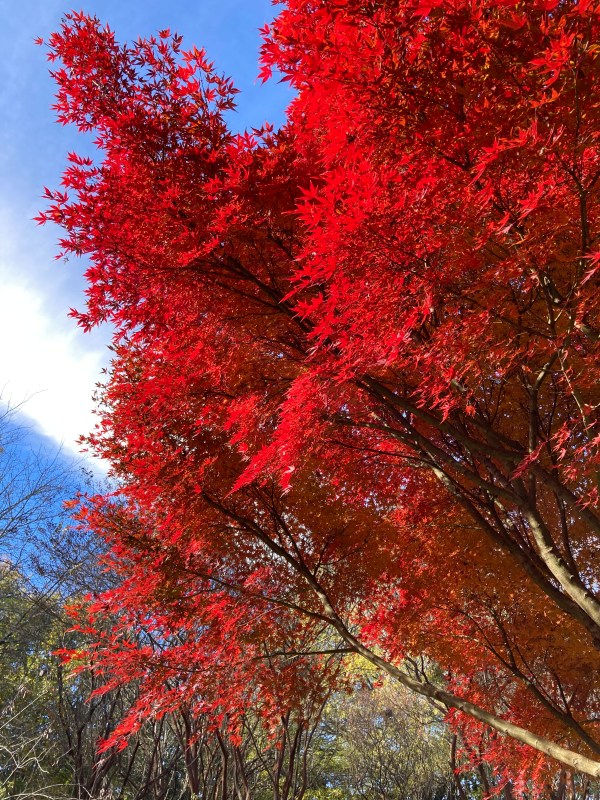
Autumn’s peak: The sky, the angle of the sun and the Japanese Maple leaves created the most vibrant in-person vision for only a few minutes. We stood there soaking in the amazing show of colors, light and reflection. Even now, in December, I continue to reflect on the vibrancy that my memory captured, but the camera did not. That is the beauty, to see wonder in the everydayness and to draw it (the beauty, the wonder) inward.

Those leaves are gone now but what a delight to receive the nourishment of brief beauty.

Wordsworth: “Our senses drink in the secrets of nature…”

From Karen Armstrong’s new book, Sacred Nature: If we allow it to enter our lives, nature can inform our minds and become a formative influence.

We can begin by taking simple steps, perhaps sitting in a garden or a park for 10 minutes a day, without headphones or a mobile phone, simply registering the sights and sounds of nature. Instead of taking photographs of our surroundings, we should look at the birds, flowers, clouds and trees and let them impress themselves on our minds.

Continue reading

They lived. They loved. They have a story to tell

Remember
You are the hands of the present generation.
You hold the hands of a future generation.
You hold the hands of past generations, some now departed, and they in turn held the hands of older generations.
Hearts that once beat with life still beat in remembrance.
 

It is All Souls’ Day, a day not recognized through the spring and early summer of my life.  Since writing the words above as the Foreword of Resurgam – Standing on the Ground of Remembrance in 2008, there have been the departures of older generations and the arrivals of younger generations.

Now it’s a day with meaning, a day to pause, to remember them and reflect on all those hands and hearts that once walked on this earth and cultivated the ground in so many loving ways. All the unseen actions that went unrecognized yet made a difference in the future, which has become the present. 

To honor them and remember them, I’m sharing “Stones Unknown,” about finding peace in the most unexpected place. The inspiration (not surprisingly) was a stone.  This is a chapter from the revised story—The Ground of Remembrance—the fruit received through cycles of seasons from the hearts and hands of older generations. As the early story of Resurgam goes, “They lived. They loved. They have a story to tell.” I have been listening and learning. This small, yet new chapter took 25 years of learning how to listen and trust my heart. It is the beginning.  My heart overflows with gratitude for a gift from past generations that continues to grow.

Read: Stones Unknown

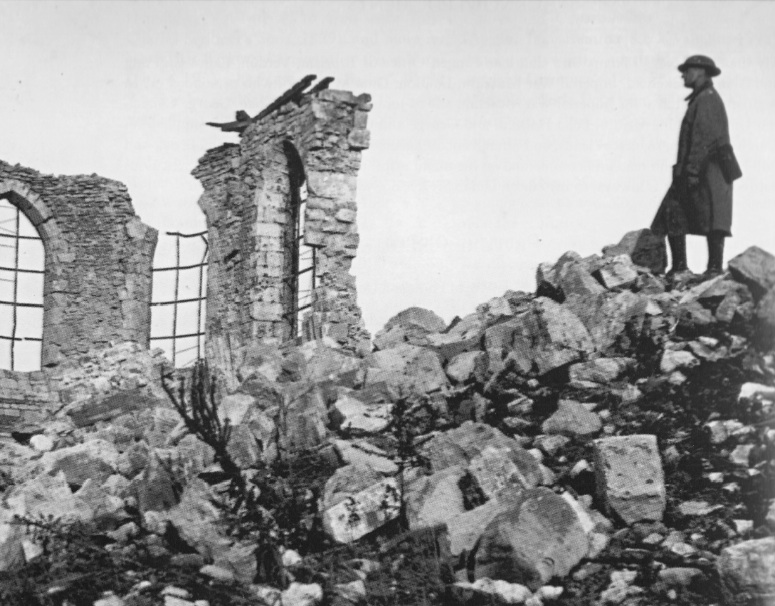
Background: A photograph of a solitary soldier standing on a hill of ruins captured my attention in 2013. (Hill of Loss) Something was familiar. The caption revealed the location: “A solitary American soldier looks at a ruined church on the crest of Montfaucon, France, after the town was captured.” I had been to there! My guide took me to Montfaucon on my way to Cote 304. That discovery and the journey inspired a new chapter of fiction, Stones Unknown in 2022.

From the book “RESURGAM – Standing on the Ground of Remembrance” – the discovery of Montfaucon, France (and the Center for Peace):

(c) 2022 Jean Niedert, an excerpt from “The Ground of Remembrance”

John ‘O’Donohue writes: “…the life within us calls out for expression. This is what creativity serves. It endeavors to bring some of our hidden life to expression in order than we might come to see who we are. When we are creative, we help the unknown to become known, the invisible to be seen and the rich darkness within us to become illuminated. “

From the book: Beauty: The Invisible Embrace by John O’Donohue

The spirit of a tree

St. Simons Island is known for its tree spirits. I was determined to visit all eleven listed in the Tree Spirit Scavenger Hunt. Finding some are challenging.

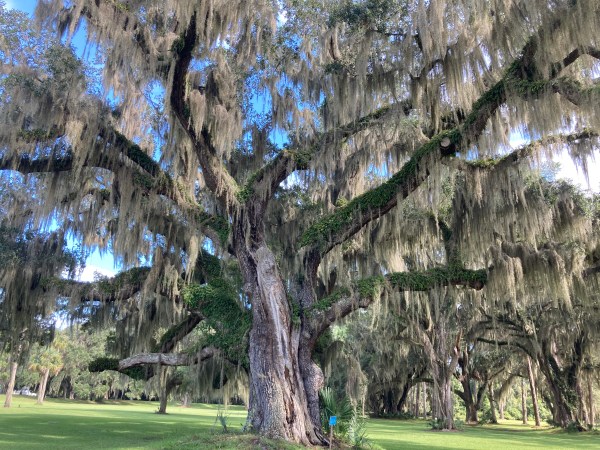
Most interesting, the “tree spirit” with the most presence was not on the list. The featured photograph is a majestic live oak at Fort Frederica on St. Simons Island. As I walked the Broad Street path to the fort, the presence of the tree drew my attention. It’s not an original tree from colonial times but it’s an old tree that’s weathered many storms. All I know is the tree had a presence and spirit not carved by human hands.

Creativity calls out to me, “Pick up a soft pencil or charcoal and draw it.”

Continue reading “The spirit of a tree”

Blog at WordPress.com.

Up ↑