“It is a time when all the old clarities break down and everything is in flux. Things are up in the air. Nothing is a given anymore, and anything could happen. No one knows the answers: one person says one thing and someone else says something completely different.” (William Bridges)

That description seems to fit the world in the present day. I know I’m in the middle phase of the transition process due to the global pandemic and the changes it has sparked and catalyzed. William Bridges calls this time the Neutral Zone, because “it is a nowhere between two somewheres, and because while you are in it, forward motion seems to stop while you hang suspended between was and will be.” 

As I study transitions, I recognize the Not Knowing Place is part of my transition process. In the past I placed too much emphasis on getting out of the Not Knowing Place. Bridges writes, “when change is deep and far-reaching, this time between the old identity and the new can stretch for months, even years.”

I noticed that time became fluid during the pandemic/Stay at Home order and the boundaries of time (such as self-imposed deadlines and schedules) washed away. Continue reading
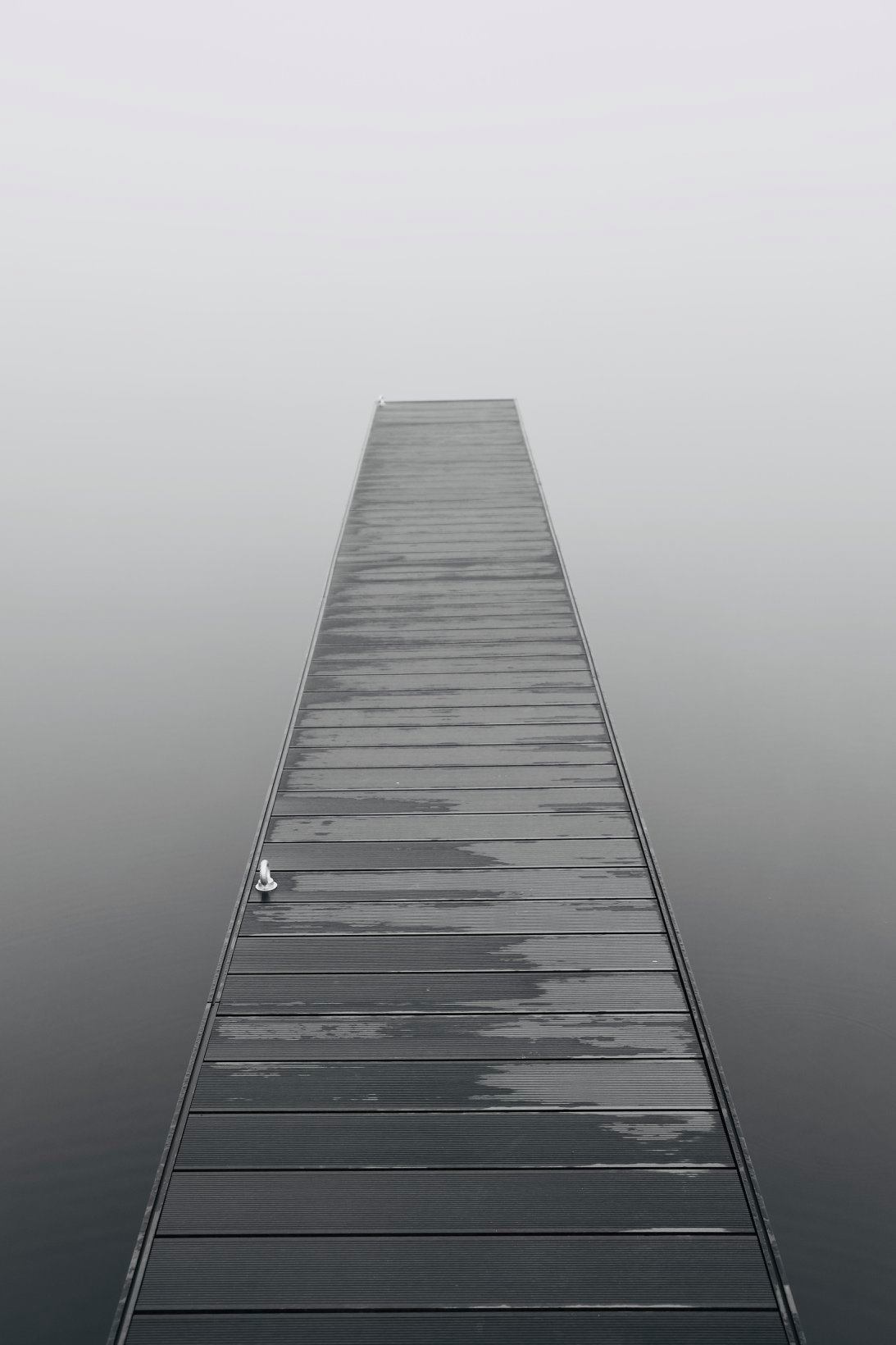
Finding the Neutral Zone of Transition

“It isn’t the changes that do you in, its the transitions. They aren’t the same thing. Change is situational: the move to a new site, the new boss, the revisions to plans. Transition is psychological; it is a three-phase process that people go through as they internalize and come to terms with the details of the new situation that the change brings”. –William Bridges from the book “Managing Transitions”.

What Happens When Your World Changes?

The lifting of the Stay at Home order only intensified change. The new reality was evident in every outside interaction. Continue reading “Finding the Neutral Zone of Transition”

Standing in Paradox and the Tension of Opposites

As I continued to investigate the Not Knowing Place during the Stay at Home months, I remembered reading about standing in paradox and the tension of opposites in the book, “The Great Work of Your Life” by Stephen Cope:

“Marion Woodman writes, “We learn to live in paradox, in a world where two apparently exclusive views are held at the same time. In this world, rhythms of paradox are circuitous, slow, born of feeling rising from the thinking heart. Many sense such a place exists. Few talk or walk from it.”

Carl Jung’s developmental strategy for standing in paradox: One must hold both sides of a paradox at the same time without choosing one or the other. Exiling neither. Privileging neither. In this way, we can gradually learn to tolerate living in the tension of opposites.

Marion states the technique with stunning clarity: “Holding an inner or outer conflict quietly instead of attempting to resolve it quickly is a difficult idea to entertain. It is even more challenging to experience. However, as Carl Jung believed, if we held tension between the two opposing forces, there would emerge a third way, which would unite and transcend the two. Indeed, he believed that this transcendent force was crucial to individuation. Whatever the third way is, it usually comes as a surprise, because it had not penetrated our defenses until now. A hasty move to resolve tension can abort growth of the new. If we can hold conflict in psychic utero long enough we can give birth to something new in ourselves.”

Hold conflict in psychic utero. This is a skill that can be learned. But it requires a host of collateral skills that most of us in the west has not nurtured: the capacity to stand in the mystery; the capacity to tolerate the unknown; the courage to live in the wilderness for a while; the love of the dark and the night and the moon; the wisdom of the circle, not the line.”

The Intimate Familiarity of a Place Known is the Not Knowing Place

“The perfection is in the repetition, the sheer ordinariness, the intimate familiarity of a place known because we have visited it again and again in so many different moments.”

As I reread the words by Wayne Muller on April 8 while under a Staying at Home order, I recognized the intimate familiarity of “a place known,”  was the unknown.  I have spent a lot time writing about the unknown, but rarely valued its true worth. Throughout life, it served as a catalyst. I always wanted to know, to find the answer and take a step into knowing. Time spent not knowing was viewed as wasted time. The receptivity of “the gift of time” during March enabled me to recognize the Not Knowing Place. And as Muller suggested, I have visited it again and again in so many different moments. Through all the seasons, through all the years, through all the days, and even in the moments, I have found myself in the Not Knowing Place.  I actually “knew” this place! Continue reading “The Intimate Familiarity of a Place Known is the Not Knowing Place”

Blog at WordPress.com.

Up ↑