It is the wisdom of the heart,
the great peacemaker,
the resolver of opposites that senses the next step to be taken,
that crosses the abyss and
approaches the mind with blessings
instead of fear and cursing.
- Stephen Levine
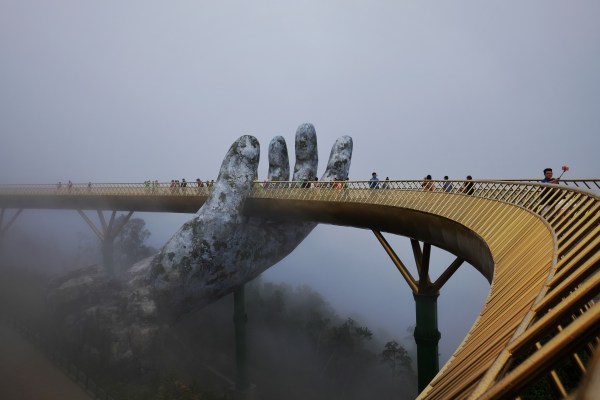
It is the wisdom of the heart,
the great peacemaker,
the resolver of opposites that senses the next step to be taken,
that crosses the abyss and
approaches the mind with blessings
instead of fear and cursing.
- Stephen Levine
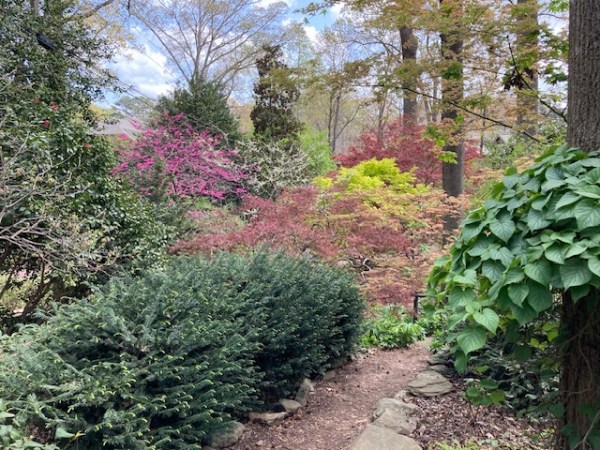
From Richard Rohr’s Immortal Diamond:
“Next time a resentment, negativity, or irritation comes to your mind, for example, and you want to play it out or attach to it, move the thought or person literally into your heart space because such commentaries are almost entirely lodged in your head.
There, surround it with silence (which is much easier to do in the heart).
There, it is surrounded with blood, which will often feel warm like coals.
In this place, it is almost impossible to comment, judge, create story lines or remain antagonistic. You are in a place that does not create or feed on contraries but is the natural organ of life, enbodiment, and love. Love lives and thrives in the heart space.“
These words are hidden in Appendix D (pages 204-205). By chance, I opened the book to these pages and “heart space” caught my attention. I was instantly reminded of where I needed to be. There is peace in the heart space.
“It’s as though we were rushing through our lives, and in our hearts, there is the flame of a candle. Because we are moving at such high speed, this essential interior flame is always on the point of going out. But when we sit down to meditate, when we become still, when we are not thinking in terms of our success or self-importance, of our own will, when we are just in the presence of the One who is, then the flame begins to burn brightly. We begin to understand ourselves and others in terms of light, warmth and love.” (John Main)
From the article, Advent’s Unanswered Questions by Teresa White FCJ.
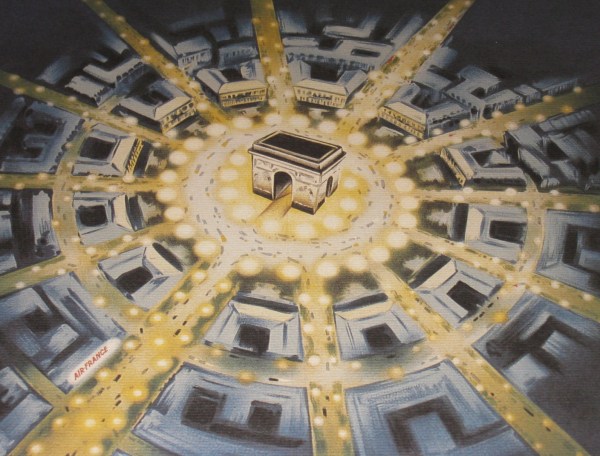
May 5: The next morning in Paris, I walked over to the Arc de Triomphe. Once again, I stood at the foot of the tomb of the Unknown Soldier, my eyes transfixed on the eternal flame. I believed a revelation would occur. Nothing external happened. But suddenly I realized the revelation was within me.
Peace begins with me.
The Unknown Soldier buried beneath the massive monument was a man with a body who fought in Verdun. It’s so hard to remember that fact when you’re faced with the massive surfaces of stone, marble and brass. He had a life, he was part of a family, and he had a heart. In Verdun, the soldiers died. Most walked into the battle knowing they would die. They died fighting in a war that was to end all wars. And yet, the world continues to war on the outside.
For me, there was an echo that I now understood:
Continue reading “Returning to the heart with peace”Remember them. Remember the gift they gave you. The peace begins within you.
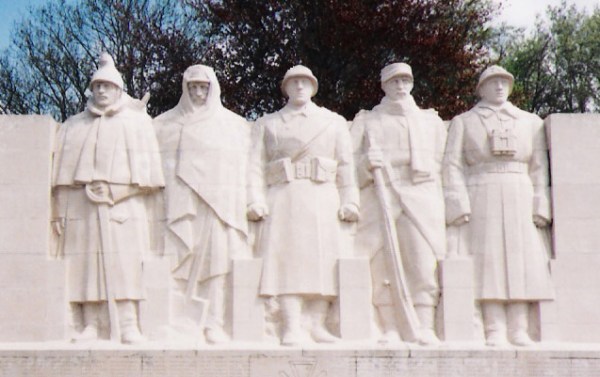
May 4: I had been in Verdun where hundreds of thousands of soldiers were killed due to war. I had spent two intensive days searching for the unknown soldiers and found myself acknowledging the impact of war’s devastation and death. I had walked where life had been extinguished over and over again. I had drifted into the underworld. If there were ghosts, or souls doomed to walk through battlegrounds because their bodies lacked a proper burial, or unsettled spirits caught between realms of life and death, my guess was that they would be here in Verdun.
I awoke at 5 o’clock to the creaking of hardwood floors. It was a consistent creak and sounded like someone was standing on my floor, watching me. I opened my eyes and saw nothing but darkness. I listened intently to the creak. It was coming from the floor, or near the chair, by the windows in my hotel room. It was unsettling because I knew the noise wasn’t coming from the room above. On Saturday night, I heard the sound of people walking on that floor. This was a different creak. It was coming from my room and sounded like someone was shifting weight from one foot to the other foot. There was a presence in my room that wasn’t me.
Continue reading “The visit and return to Paris”Wayne Muller writes: “Every day, every year circles around the silent turning of cycles and rhythms. At Christmas we are reminded to look carefully, to remember that God can take birth where and when we least expect it, and to rejoice when we discover even the tiniest, infant manifestation of the divine. Hanukkah reminds us again and again that in the dark the light is born, that it is never fully extinguished, no matter how hopeless and impenetrable the darkness. The Crucifixion reminds us that all things must die, and Easter that all things will be reborn. Rosh Hashanah and Yom Kippur remind us that we must account for our lives, our actions, be mindful of what we have done, atone for our mistakes, and begin always and again anew. In the month of Ramadan, we fast and pray, and devote ourselves to a God who will not leave us comfortless. On Sabbath we rest and remember that we are cared for. “
Continue reading “The silent turning of cycles and rhythms”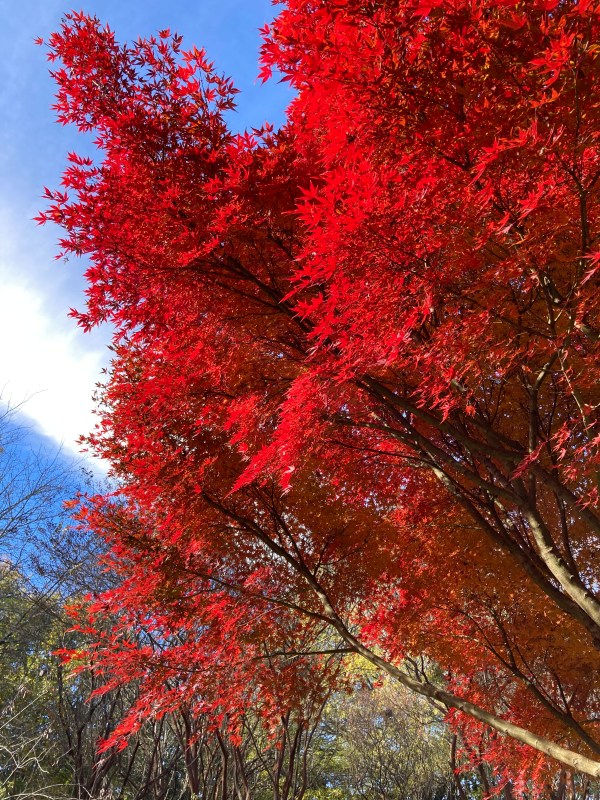
Autumn’s peak: The sky, the angle of the sun and the Japanese Maple leaves created the most vibrant in-person vision for only a few minutes. We stood there soaking in the amazing show of colors, light and reflection. Even now, in December, I continue to reflect on the vibrancy that my memory captured, but the camera did not. That is the beauty, to see wonder in the everydayness and to draw it (the beauty, the wonder) inward.
Those leaves are gone now but what a delight to receive the nourishment of brief beauty.
Wordsworth: “Our senses drink in the secrets of nature…”
From Karen Armstrong’s new book, Sacred Nature: If we allow it to enter our lives, nature can inform our minds and become a formative influence.
We can begin by taking simple steps, perhaps sitting in a garden or a park for 10 minutes a day, without headphones or a mobile phone, simply registering the sights and sounds of nature. Instead of taking photographs of our surroundings, we should look at the birds, flowers, clouds and trees and let them impress themselves on our minds.
Continue reading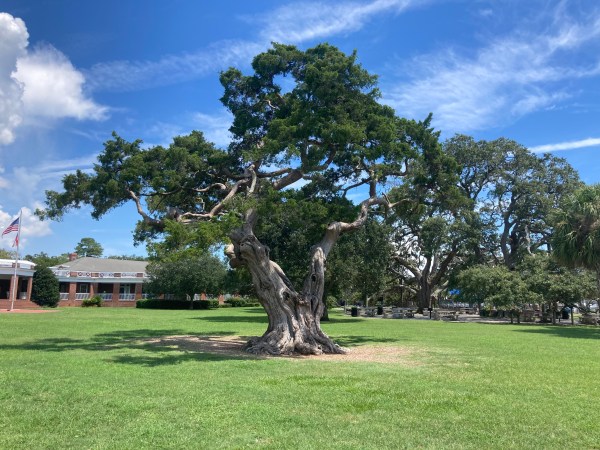
“Tree Places” is pattern 171 in A Pattern Language by Christopher Alexander, Sara Ishikawa and Murray Silverstein. “Trees are precious. Keep them. Leave them intact.”
From the book A Pattern Language: “The trees that people love create special social places: places to be in, and pass through, places you can dream about, and places you can draw. Trees have the potential to create various kinds of social places:
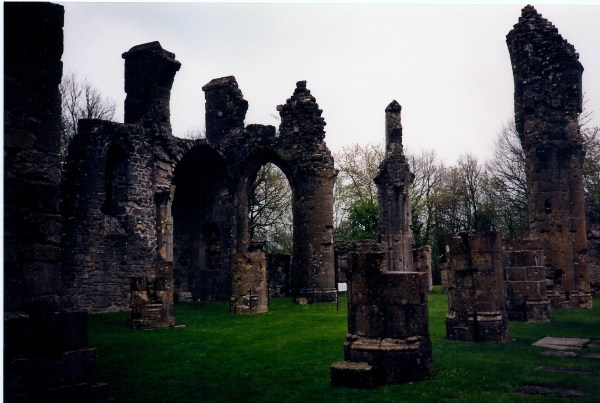
It’s a notable discovery when a single nugget of information ‘suddenly’ transforms a place. This summer I found a new connection to an old story. Turns out there was a Benedictine monastery in Montfaucon, France. It was destroyed in World War I although some church ruins remain.
There would have been a main entrance to the grounds of the former Benedictine monastery founded in the 6th century. Over the archway would have been the message: Pax intrantibus—Peace to those who enter here. (Or perhaps just Pax.)
Continue reading “Pax (peace) in Montfaucon”
David George Haskell writes: “A tone clear and warm as sunlight sounds from the giant bronze bell. The ring contains no hint of clang or jangle, just a single frequency, sweetened and fattened by overtones, pitched a few notes below middle C, exactly at the midpoint range of human speech.
His words create a sound. I imagine listening to this bronze bell while wondering where it might be.
Haskell continues: Although I stand two meters away from the bell, the sound seems to emerge from within me, a calming, centering glow that spreads from chest to extremities, then flows outward into my perception of the park which I stand.
Haskell reveals he’s standing in Hiroshima Peace Park listening to the Peace Bell, which visitors can ring. The resonate sound of the peace bell arrived in my imagination and awareness. I heard it. Here’s a different version of place making and peace making—of cultivating sound and a sense of peace.
“A child stands on tiptoe and reaches up to haul on a rope dangling from the beam. She pulls back, then releases, and the wooden striker swings onto the bell. The sound rings again. Pure and steady toned, with a slight pulsation, a swelling of amplitude that comes at a pace just slower than a calm heartbeat.”
David George Haskell writes about the Peace Bell, it’s maker, Masahiko Katori and introduces the 100 Soundcapes of Japan in his book, Sounds Wild and Broken—Sonic Marvels, Evolutions Creativity and the Crisis of Sensory Extinction.” He notes the ringing of the Peace Bell is Soundscape 76.
The 100 Soudscapes of Japan is a government program launched in 1996 to combat noise pollution, to honor significant soundscapes and to prompt people to rediscover the natural sounds around them and encourage deeper listening.
Haskell reminds us, “The wonders of human culture and the living world come to us through many senses. To only honor material objects and spaces is to exclude much of what gives life joy and meaning.”
I pause to recognize how much sound gets cast into the background, and yet, it’s often the sounds of nature that give life joy and spark a sense of wonder.
Wikipedia: 100 Soundscapes of Japan
Read an excerpt from David George Haskel’s book that’s repurposed as an article in Spirituality and Health: 100 Sounds and a Culture of Listening
“What will happen to our hearts if there is no place to find the beauty of emptiness in an overstuffed world? “ – Joan Chittister
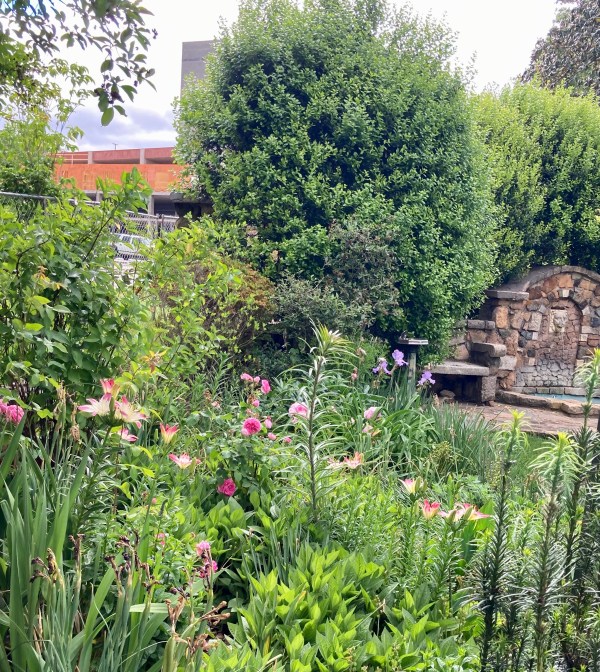
“I feel called to be a ‘place maker’ to set down roots in a society that is constantly on the move.” – H.D.
My introduction to “place maker” arrived when I read H.D.’s forum post regarding her interest in therapeutic horticulture as the course ends. My mind kept playing with “l” and “e”: place maker | peace maker. I could see the interconnectedness in the interplay of place and peace.
What else could I find?
Continue reading “Discovering “place maker” and contemplating “peace maker””
Joan Chittister writes: “… you have to make an oratory for yourself somehow. Take a long walk alone, perhaps, where the whipping wind or the bursting of trees can bring you back to the essentials, the basics of life. The point is that your “oratory” is whatever invites you, lifts your soul beyond the daily and the mundane. The oratories of the heart are any place that recalls you to your spiritual self.”
I have continued to return to Joan Chittister’s words in the chapter “The Oratory – On Holy Space” from her book The Monastic Heart.
I landed in the oratory during February and continued to return to the pages due to its resonance. Why do these words speak to me? Initially, I thought it was the discovery of the word, “oratory” for chapel. I remembered the Chapel of the Palms. This small, simple oratory sits by the Edisto River, which flows—within eyesight—into the Atlantic Ocean. To be there—even on the ground of remembrance—is to notice hidden transitions.
And still, the oratory resonated, so I wanted to share this chapter with others. It was the timing of my decision to share that finally illuminated a deeper understanding and meaning.
March 13, 2022, the two-year mark
It is March 13, 2022, the two-year mark since all organized activities were cancelled for two weeks in March 2020 due to the unknowns of COVID virus. Those two weeks transformed into a stay at home mandate in April 2020. Routines were swept away and life upended.
Now I understand that COVID restrictions didn’t block access to this space. Visiting hours remained open. There wasn’t any mask mandate. The only requirement was to find time to visit—to pause, to settle, to rest, to find peace—and finally, to be at peace.
I entered a variety of oratories during these two years. There was a back yard deck, the detailed memory of the Chapel of the Palms by the water, the neighbor’s backyard garden with the koi pond, a friend’s covered dock with unexpected sightings of dolphins, walks on the beach, a porch swing on a river walk, a bench at a church’s columbarium, a yoga mat, but most importantly, the space within the heart. In these past two years, I have visited the oratory in my heart more than I have ever visited it before. Maybe that’s the truth I needed to discover this week as the world faces another challenge. And this I know with great certainty in this uncertain world: There is an expansive network of hidden oratories. The community of prayer has grown stronger during these two years. Where is your oratory? How many have you created and visited during these past two years?
Excerpts from “The Oratory – On Holy Space” from Joan Chittister’s book The Monastic Heart:
… Now, in these times, we are at the very same kind of moment: Churches are closing as congregations move or disappear. Massive cathedrals stand alone in the cities, still cavernous, too often empty. Now, perhaps more than ever, we need to “let the oratory be what it is called.” We must let it call us beyond our present overwhelmed selves. What will happen to our hearts if there is no place for us to find the beauty of emptiness in an overstuffed world? We live in an overnoisy, overcrowded, overstimulating round of events, with hardly a break to think through the important questions of life: What is life about? What is the purpose of our lives? How can we possibly make things better, more whole, for our families, for our world, for ourselves?
… The oratory tells you that you yourself must reach out, stop, sink down inside yourself, and let the weariness, the pain, the fear of abandonment evaporate and go to dust in the presence of the soothing warmth of faith and the promises of security, beauty, joy, and happiness that come with the presence of God in your life.
Today is Father’s Day. Ten years ago while in a bookstore in Highlands, North Carolina, an orange leaf on a book cover caught my attention. I read the title “Parting – A Handbook for Spiritual Care Near the End of Life.”
My initial thought, “It’s too late for that book.” My dad had passed away in April and the grief was raw in June. I had believed he would live for many more decades due to his love of life and learning. But everyone was blindsided when he was diagnosed in March.
Instead of passing by the book, I picked it up and read the Foreword, which included:
… Spiritual care for the purpose of this handbook is soul care, helping the human spirit in its search for peace. It is the attempt to help those near the end of life feel whole, fulfilled, and in harmony with their world and higher power. Religious experience may or may not be spiritual, and spiritual experience may or may not be religious. Regardless of the dying person’s religion or persuasion or faith tradition, spiritual care near the end of life supplies a deep human need.
My personal grief provided an heightened awareness of the collective grief. My dad had ensured everything was in order, but that orderliness didn’t lessen the grief, sorrow or the immense loss I felt and experienced.
Continue reading “Helping the Human Spirit in Its Search for Peace”
“It isn’t the changes that do you in, its the transitions. They aren’t the same thing. Change is situational: the move to a new site, the new boss, the revisions to plans. Transition is psychological; it is a three-phase process that people go through as they internalize and come to terms with the details of the new situation that the change brings”. –William Bridges from the book “Managing Transitions”.
What Happens When Your World Changes?
The lifting of the Stay at Home order only intensified change. The new reality was evident in every outside interaction. Continue reading “Finding the Neutral Zone of Transition”

My creative meander in March that started with Receiving the Precious Gift of Time led me back to familiar ground in June. During the uncertainty and upheavals between March and June, I revisited chapters from “A Year to Live” by Stephen Levine. Noticing, Gratitude and A Commitment to Life helped me befriend the unknown. His book provided hope and structure during the months of change out of my control. Here’s the first paragraph from the Introduction:
This is a book of renewal. It is not simply about dying but about the restoration of the heart, which occurs when we confront our life and death with mercy and awareness. It is an opportunity to resolve our denial of death as well as our denial of life in a year-long experiment in healing, joy, and revitalization.
When my calendar was cleared in March, I felt the loss of routine and social interaction. I was naively hopeful, expecting that we would return to something new in April. There was no return in April but there was something new: Stay At Home orders.
With nowhere to go, few distractions, I kept writing about what I encountered during the global pandemic. Changes out of my control and transitions experienced during long-distance caregiving and end of life care (2010-2017) helped me in many ways during the Stay at Home months. I had experienced a micro of this unexpected macro that started in March.
Ten years ago, an orange leaf on the front cover of a book caught my attention while browsing in a bookstore. I saw the title “Parting” and then “A Handbook for Spiritual Care Near the End of Life.”
My initial thought, “It’s too late for that book.” My dad had passed away in April 2010 and my grief was raw in June 2010. I had believed he would live into his nineties due to his love of life and learning. Everyone was blindsided when he was diagnosed in March and offered a hopeful prognosis.
Instead of dismissing the book, I picked it up and read the Foreword, which included: …Spiritual care for the purpose of this handbook is soul care, helping the human spirit in its search for peace. It is the attempt to help those near the end of life feel whole, fulfilled, and in harmony with their world and higher power. Religious experience may or may not be spiritual, and spiritual experience may or may not be religious. Regardless of the dying person’s religion or persuasion or faith tradition, spiritual care near the end of life supplies a deep human need.
I bought the book that day in 2010 and read it during Father’s Day weekend. An odd thing to do—dive into the dying, but my motivation was to dissect the misery and what had transpired in forty days. I needed to understand and “helping the human spirit in its search for peace” offered a light of peace in the unfamiliar darkness that descends with death. I accepted the light. It was as gentle as a single candle flame.
Found of page 3 in Parting:
One physician says that the best way to improve spiritual care for the dying is to improve it for the living. All too often, the day-to-day business of life gets in the way of the inner life. Death clears the calendar; it uncrowds life so that spiritual needs come to the forefront.
I asked myself, “Why wait? Why wait until end of life to pay attention to our spiritual needs? Why not now?” These questions have stuck with me since 2010. Time and time again, I cycled through change and transition due to a loss or a death. I would find peace and then lose it. Some “thing,” or connection, seemed to be missing. The physician touched upon it in “Parting”, the day-to-day business of life gets in the way of the inner life. In March 2020 there was suddenly time to pay attention to the inner life. The two-week “hold” that transformed into a Stay at Home order was lifted on May 22. Plans for 2020 died. The death of the familiar day-to-day routines cleared the calendar. Ways of doing changed. Ordinary events were no longer ordinary (or no longer existed). There have been many endings and each ending carried varying degrees of loss and grief. There was familiarity but disconnection, and a lot of unknown. The outside world looked the same, but there was an unseen hill of loss.
I had been here before.
And so Levine’s words return, replacing book with journey, and dying with what has died:
This is a journey of renewal. It is not simply about (what has died) but about the restoration of the heart, which occurs when we confront our life and death with mercy and awareness. It is an opportunity to resolve our denial of death as well as our denial of life in a year-long experiment in healing, joy, and revitalization.
Next: The Intimate Familiarity of a Place Known is the Not Knowing Place
By Friday night, March 13, all organized activities and classes were cancelled, and I realized the pandemic had cleared my calendar for at least two weeks. Life suddenly became uncrowded as daily routines were swept away.
In the clearing, I saw the precious gift we have received:
the gift of time.
For at least the next two weeks, there is an abundance of unscheduled time. How often does this happen in a lifetime? What discoveries are within reach if one’s focus shifts away from scarcity to recognizing this unexpected opportunity in this present life?
The gift has been given and although I cannot hold it in my hands, I can acknowledge the gift and receive it. Continue reading “Receiving the Precious Gift of Time”
“We lose track of time and of place, we move into a timeless time and a placeless space when we are in a creative state. Afterward, we know we have tasted something worth remembering, something that will last. And often we have a special gift to bestow on others because of the journey we have undergone in our creative work.” —From the book “Creativity” by Matthew Fox.
Ten years ago—July 28, 2009—a fierce thunderstorm raged outside. The lightening was so intense, I decided to unplug all electronic devices and read a book. Unexpectedly, the image of a soldier dressed in combat fatigues flashed in my imagination as vividly as the lightning outside.

Continue reading “Why I Wrote about Standing in No Man’s Land during the WWI Christmas Truce”
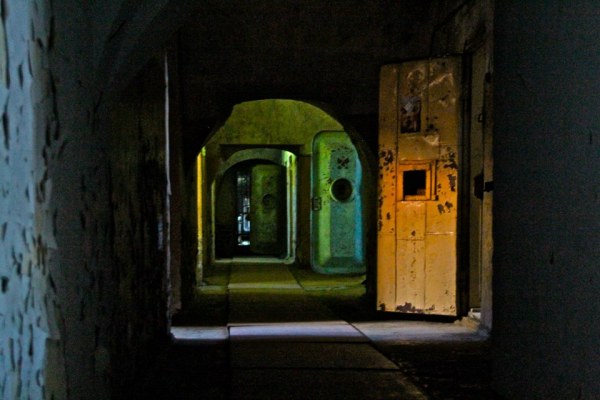
In out of the way places of the heart,
where your thoughts never think to wander…
-John O’Donohue
Through these decades of remembering the unknown soldiers, I have learned that the most unexpected individuals turn out to be guides and teachers. Continue reading “Exploring a Dark Place in the Heart where Remembrance Never Touched the Ground”
 creative meander