Wayfinding: “Making the best guess about which direction to try (not which destination to arrive at), then venturing forward for a bit, then stopping and taking note of where you are and what you can see from this new vantage point.” From “Designing Your New Work Life” (chapter: Now Where Are We?).
Continue reading “Wayfinding: direction, not destination”Returning to the heart with peace
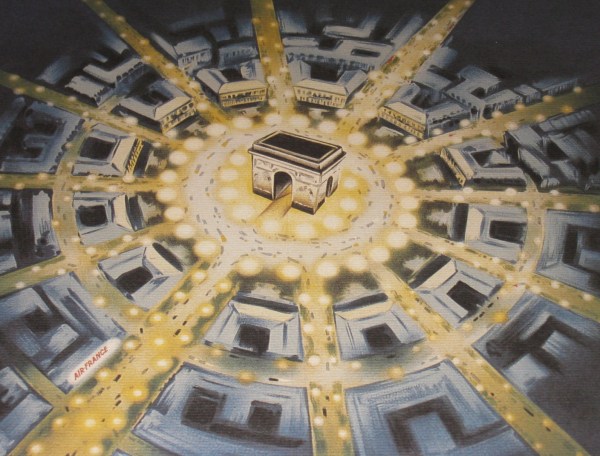
May 5: The next morning in Paris, I walked over to the Arc de Triomphe. Once again, I stood at the foot of the tomb of the Unknown Soldier, my eyes transfixed on the eternal flame. I believed a revelation would occur. Nothing external happened. But suddenly I realized the revelation was within me.
Peace begins with me.
The Unknown Soldier buried beneath the massive monument was a man with a body who fought in Verdun. It’s so hard to remember that fact when you’re faced with the massive surfaces of stone, marble and brass. He had a life, he was part of a family, and he had a heart. In Verdun, the soldiers died. Most walked into the battle knowing they would die. They died fighting in a war that was to end all wars. And yet, the world continues to war on the outside.
For me, there was an echo that I now understood:
Continue reading “Returning to the heart with peace”Remember them. Remember the gift they gave you. The peace begins within you.
The visit and return to Paris
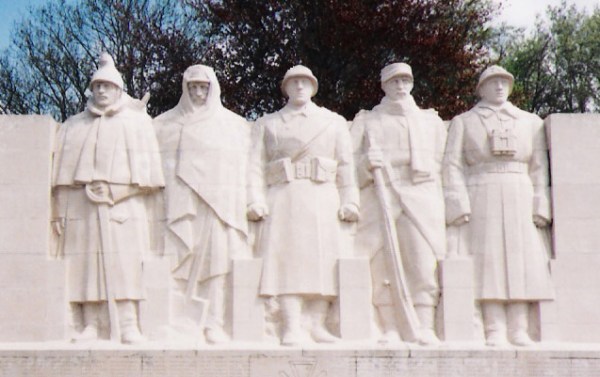
May 4: I had been in Verdun where hundreds of thousands of soldiers were killed due to war. I had spent two intensive days searching for the unknown soldiers and found myself acknowledging the impact of war’s devastation and death. I had walked where life had been extinguished over and over again. I had drifted into the underworld. If there were ghosts, or souls doomed to walk through battlegrounds because their bodies lacked a proper burial, or unsettled spirits caught between realms of life and death, my guess was that they would be here in Verdun.
I awoke at 5 o’clock to the creaking of hardwood floors. It was a consistent creak and sounded like someone was standing on my floor, watching me. I opened my eyes and saw nothing but darkness. I listened intently to the creak. It was coming from the floor, or near the chair, by the windows in my hotel room. It was unsettling because I knew the noise wasn’t coming from the room above. On Saturday night, I heard the sound of people walking on that floor. This was a different creak. It was coming from my room and sounded like someone was shifting weight from one foot to the other foot. There was a presence in my room that wasn’t me.
Continue reading “The visit and return to Paris”Entering Cote 304
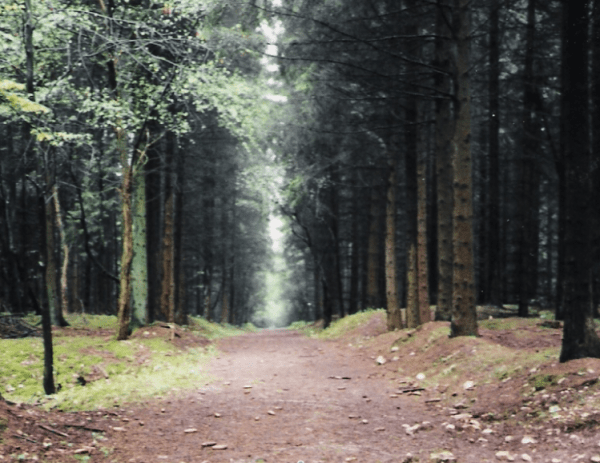
May 3: Finding my way to Cote 304
I could see the approach of Cote 304 because a grove of Australian pines was nearing. The worst areas devastated by the war were reforested in the 1930s with Australian pines. It would take over three to four centuries for nature to fully recover the area. That evidence was clear wherever I went from Fort Vaux to Le Mort Homme where the artillery had broken the ground and shattered the subsoil.
The car turned onto a narrow lane that meandered through a forest of green conifers, which held back the sun and cast darkness onto the wood line floor. We approached the summit and circled around a tall monolith memorial. Marc and I got out of the car and I walked over to the woods at Cote 304. The ground was pocked and cratered by the bombs and ammunition that had blasted devastation into the ground. There was a dirt road cutting into the wood line. The stronger voice inside me whispered, “Go there.” I walked into the wood line aware of the magnitude of death that saturated the soil, knowing each step I took at Cote 304 was on the battleground where the living had fallen dead.
I stood there, feeling like a living sacrifice, with my hand up near my face. I could feel my breath on my hand. I could feel my face against my hand. I needed this sensory connection to life. As I stood there, the wind whispered through the pines. My eyes noticed the ground was blanketed in pine needles. Green moss grew in patches. Weeds grew in other places. There was life on the wood line floor. Although it looked dark from the road, I realized there were shafts of light streaming in the wood line. The wood line wasn’t filled with death. I stood on the ground of Cote 304. I wanted to remember and feared that my memory would forget. I took two pictures, and then regretted the noise from the shutter clicks. The woods deserved silence. I decided not to make any more noise on the ground where so many thousands of soldiers had died.
Continue reading “Entering Cote 304”Finding the bones
May 2 (3 of 3): The Ossuary de Douaumont houses the unidentified remains of nearly 130,000 French and German soldiers.
Continue reading “Finding the bones”Entering the darkness at Fort Douaumont
May 2 (2 of 3): It was still raining as we departed the van. The parking lot of Fort Douaumont was a white muddy field. Barbed wire encircled the fort’s perimeter, and green grass covered the surrounding craters. There was a winding path leading up to the top of Fort Douaumont, but we headed down into the entrance door and visitor’s center. My first impression after crossing the fort’s threshold was the stench. It smelled like a rotten Pont l’Eveque cheese. (Pont l’Eveque is a pungent cheese when it’s fresh.)
Continue reading “Entering the darkness at Fort Douaumont”Joining the ‘Champ de Bataille’
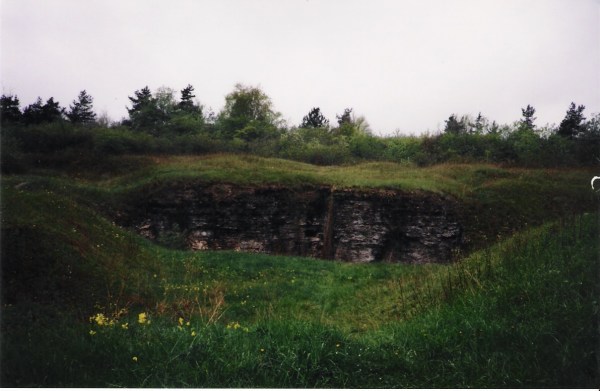
May 2: (1 of 3): I headed to the Hostellerie Coq Hardi. Since Coq is rooster in French, it wasn’t surprising to find roosters the theme in the lobby.
The floorboards creaked as I entered my room. The curtains were drawn, so I switched on the overhead light. A fabric of harvest gold roses, not wallpaper, covered the walls. The unattractive fabric walls and matching harvest gold drapes made the room extremely dark. I opened the curtains to a view of the post office across the street.
There was no time to be concerned with the décor of my room since the clock was approaching 2 o’clock. I tossed my luggage into the room and headed outside. I found the Tourism Office. It was a dismal place. I saw people boarding a mini-van across the street. I looked at the sign: Champ de Bataille leaving at 2 o’clock.
“Is there room for one more person on the tour?”
The hostess replied, “Yes, but it’s a French/German tour. The guide won’t speak any English.”
“That’s okay, I’d like to take the tour.”
Another hostess darted across the street to alert the tour guide of an additional person joining the group. After paying my fare, I ran across the street.
The tour guide asked in French, “Do you speak French?”
I replied, “No.”
She asked, “Do you speak German?”
I replied, “No.” (I didn’t mention I had three years of German in college.)
“I speak very little English,” she said.
“That’s fine. I want to see the sites.”
I boarded the mini-van and sat down in the only available seat – a folding jump seat in the aisle. The man sitting next to me turned to me and said, “I speak English! I will translate for you!”
So, the tour guide would speak in French, then in German, and the kind Belgian man would translate into English. As the mini-van headed out of the Verdun city limits, the driver made a quick stop in front of a cemetery. He drove across the lane of oncoming traffic, then over the curb, and stopped the van on the sidewalk. (I began to wonder what kind of ride this was going to be.) The windows were fogging up on the inside, so with my closed umbrella I wiped away the condensation to get a better view of what was outside.
As we drove toward Fort Vaux, there was a transformation in the landscape. The trees became stunted and the ground pocked with craters. There was a sign of a lighted match inside a red circle with a cross mark that served as a warning. No fire. There were still live bombs in the woods. So many thousands of shells dropped into the ground that the buried ammunition of decades past could still be sparked by a match.
No Man’s Land – Fort Vaux
Fort Vaux was built into a rock formation. It was starting to rain as we headed into the visitor’s entrance. The tour guide picked up an English handout from the visitor’s desk and gave it to me. The fort smelled musty from the dampness, and it was chilly. I met the Belgian man’s wife. She spoke English too. We headed into a dark exhibit area that held a few personal effects from the soldiers, and then walked into the main corridor of the fort that was illuminated by bare light bulbs spaced far apart. The rooms off the main corridor dropped into blackness. Some rooms had numbers corresponding with numbers on my handout sheet. We walked down the corridor to the right and viewed the hospital rooms, barracks filled with bunks, stairs leading down into a black abyss, and an escape tunnel. Puddles of water stood in the floor. The Belgian woman and I discussed what it must have been like for the soldiers trying to survive here in the winter. I expected to see a rat sneaking down the dark, dank corridor.
There were many openings off the main corridor. A short distance from one opening was a large mound of dirt that was topped by a Latin cross, which was illuminated by a light bulb. It was a mass grave that ran parallel to the corridor we were walking through. As we continued to walk to the other end of the fort, we passed a chapel. I read my handout. During the war, the dead bodies were placed in this area and covered with lime.
Later, the area was bricked up. The bodies remain behind the wall. The area in front of the wall was transformed into a chapel. A few candles were burning. I lit a candle for the unknown French soldiers and said a prayer of remembrance for them.
The tour congregated in the gun room where the rusty gun remained. The large barrel stuck out through a hole in the fort’s wall. I looked out another opening and saw a choppy, turbulent sea of earth under thick hovering gray fog. Each hillock was created by bombs. I’ve always heard of “no man’s land,” and here it was. Time stood still. It was untouchable, and desolate. The land was lifeless, and nothing moved but the fog. The tour moved on and took us all away from the lookout across the war zone.
We returned to the visitor’s center at Fort Vaux. I bought postcards of WWI soldiers at the Ossuary on Remembrance Day. Before returning to the bus, I walked to the edge of the parking lot and took a picture of the landscape. I was amazed that no one else seemed to pay attention to the land surrounding us. The land had been free from war since 1919 yet the effects of the war continued to haunt it. The parking lot was the only leveled ground in sight. Deep bomb craters were everywhere, and they were staggering. The trees were small saplings; the trunks were no larger than a woman’s wrist. I thought of the trees back home that were over fifty years old: The oaks, elms and maples towered above the streets and their branches reached out like a grandmother’s open arms.
Pigeon Rings
The next stop on the tour was the Memorial of Verdun that displayed relics from both the French and German sides. There were hats, uniforms, ammunition, guns, documents, and pictures. We were herded into the auditorium to watch a film, In the Soldiers Footsteps. I received a headset that translated the audio into English. A blur of faces and troops is what I can remember most, not the words. Although I do remember a statement,
“These soldiers were men with a different character; strong men who walked into a battle knowing they would die.” They knew they would die. This was the truth of their war.
I was intrigued by the display in the center of the memorial of razed earth as it might have been in 1916 – cratered and scattered with the remains of war and void of the presence of life. I tried to visualize the entire region of Verdun as depicted here. I discussed this scene with the Belgian couple, and then the Belgian man told me the story of his grandfather who was killed by the SS (Schutzstaffel) during WWII.
His mother was 14 the day she opened the door to discover the SS or “Nacht-und nebelgefangenen” (Soldiers of the night and fog) on their porch. Along with being a doctor and a mayor, his grandfather made pigeon rings that were attached to a carrier pigeon’s leg. Carrier pigeons were an important method of communication in WWII. The Nazis wanted to kill all the French pigeons to help stop French communication.
The SS had issued the command for the French to bring either the pigeon or the ring to them. (When they had the ring from the pigeon’s leg, they knew the pigeon was dead.) A member of the resistance had asked the doctor to help him make an extra ring for his carrier pigeon. Then he could give the Nazis the fake ring and would still have his pigeon to send messages. The doctor said he would do this but asked him not to tell anyone. The Belgian man added, “I’m not sure how many rings my grandfather made for the resistance, but this is why the SS took him away.”
When the SS took the doctor to prison, his wife was pregnant with their fifth child. The doctor was killed in 1944 and never saw his son. Fifty years later, in 1994, the Germans wanted to reconcile and the Belgian man and his family went to the prison. His grandmother and uncle (the son who never saw his father) did not. She never remarried, and her life changed dramatically from being the wife of a doctor and mayor to being a widow with five children. The Germans returned letters that his grandfather wrote in prison but were never mailed by the SS. In the letters, the doctor spoke about the child his wife was carrying.
Continue reading “Joining the ‘Champ de Bataille’ “The Way to Verdun
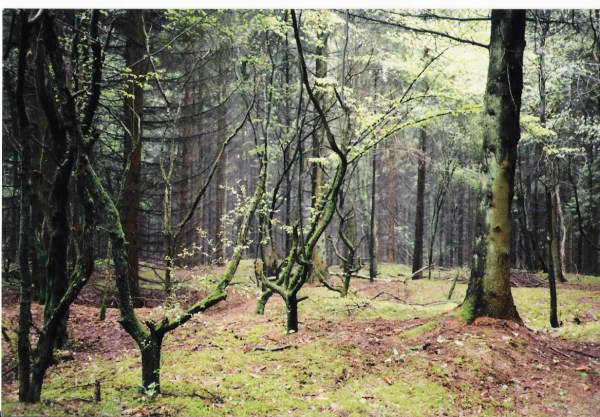
May 1: I had to leave my hotel early to catch the train leaving from the Gare l’Est station to Nancy. The front desk had warned me that few places would be open due to the French Labor Day on May 1.
They were selling lily of the valley bouquets in Gare l’Est to celebrate Labor Day. I wanted to buy a bouquet, but decided I was carrying enough as I navigated through the train station. Read more: The train to Nancy
May 2: When I checked out of the hotel in Nancy, the woman at the front desk gave me a small bouquet of lily of the valley. She explained the flowers symbolized good luck. It seemed like a good omen to me as I left for my final destination where I would enter Cote 304 to face the unknown fire.
Continue reading “The Way to Verdun”Starting Point: At the heart of the Star (Place d’Etoile)
April 30: I was walking clockwise from Avenue Kleber around Place Charles de Gaulle (also known as Place d’Etoile) in search of the tunnel that would lead me under the busy roundabout that surrounds the Arc de Triomphe. I found the tunnel at Avenue de la Grande Armee and descended into the corridor, which was surprisingly deserted of people. There was a nicely dressed Frenchman about twenty paces ahead of me. He paid no heed to the sign in French that was posted on the partially closed gate, but pushed it open and kept walking.
I followed him. As I walked deeper into the empty tunnel, I realized that following a man I didn’t know, through a deserted tunnel, in a foreign country was not exactly a smart move for an American woman traveling alone. And feeling confident that I would scream for help if something did go wrong was ridiculous. Who would hear my screams in an empty tunnel? I had arrived in Paris only a few hours earlier and now marveled at my lack of decision-making skills. I needed to wake up. I chalked up my actions to jet lag and promised myself to pay better attention to what was going on around me.
Continue reading “Starting Point: At the heart of the Star (Place d’Etoile)”Stepping on the path of creative change

John O’Donohue: Most people long to step onto the path of creative change that would awaken their lives to beauty and passion, deepen their contentment and allow their lives to make a difference.
Continue reading “Stepping on the path of creative change”Embracing transitions
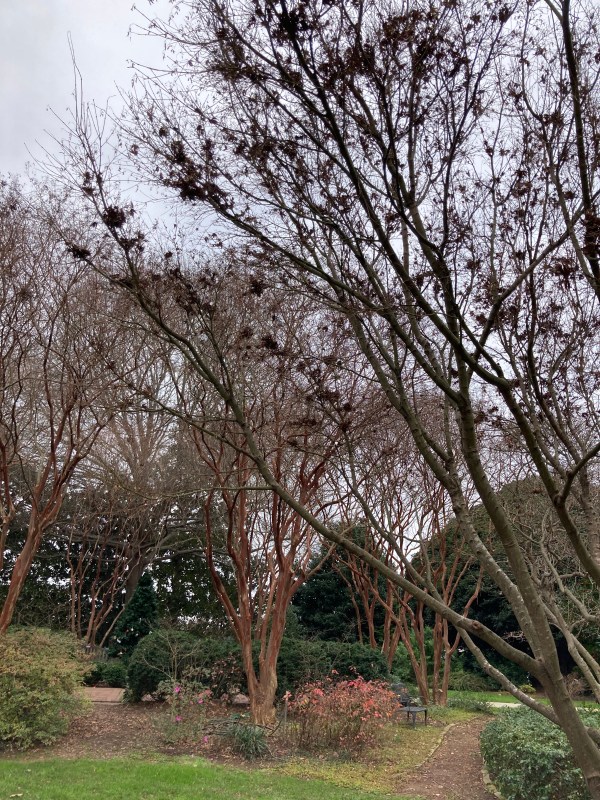
What a difference a few weeks make. I returned to capture the bare-branch beauty of the Japanese maple after its Autumn show only to discover the tree holding on to some of its leaves. The sight was a visual reminder of transition. Not ‘photo worthy’ beauty, but still, in process of a new cycle that needs to be acknowledged, not dismissed.
Many may pass by the late fall garden but maybe it helps process our own transitions.
William Bridges writes in Managing Transitions, “Because transition is a process by which people unplug from an old world and plug into a new world, we can say that transition starts with an ending and finishes with a beginning.”
Continue reading “Embracing transitions”Waiting without an agenda
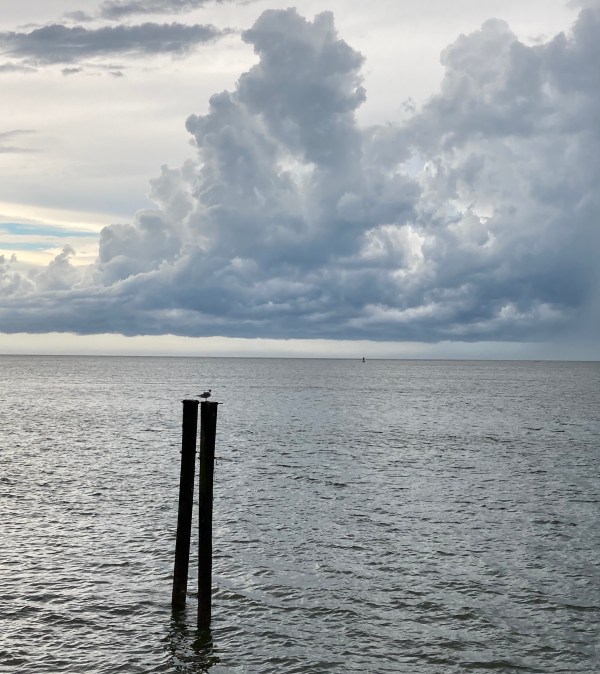
Macrina Widerkehr: We know there are stars so far away that their light has not yet reached the earth. Could the same be said about the bright ideas, virtues, creativity and dreams of our own lives? Perhaps some night when you get up to pray, something will turn over in someone’s heart and find its voice all because of your small prayer. Never underestimate what little acts of love can accomplish. Do not take lightly the sacred connections that are possible in daily life. Perhaps our very waiting in the darkness gives some struggling unknown pilgrim of the hours hope.“
Waiting without an agenda
“Vigils is a time of exquisite beauty. It is a time for waiting and watching under the mantle of mystery. It can be a prayer of waiting without agenda, without urgency. We often wait for things we cannot change.
Continue reading “Waiting without an agenda““It is a time when all the old clarities break down and everything is in flux. Things are up in the air. Nothing is a given anymore, and anything could happen. No one knows the answers: one person says one thing and someone else says something completely different.” (William Bridges)
That description seems to fit the world in the present day. I know I’m in the middle phase of the transition process due to the global pandemic and the changes it has sparked and catalyzed. William Bridges calls this time the Neutral Zone, because “it is a nowhere between two somewheres, and because while you are in it, forward motion seems to stop while you hang suspended between was and will be.”
As I study transitions, I recognize the Not Knowing Place is part of my transition process. In the past I placed too much emphasis on getting out of the Not Knowing Place. Bridges writes, “when change is deep and far-reaching, this time between the old identity and the new can stretch for months, even years.”
I noticed that time became fluid during the pandemic/Stay at Home order and the boundaries of time (such as self-imposed deadlines and schedules) washed away. Continue reading
Finding the Neutral Zone of Transition
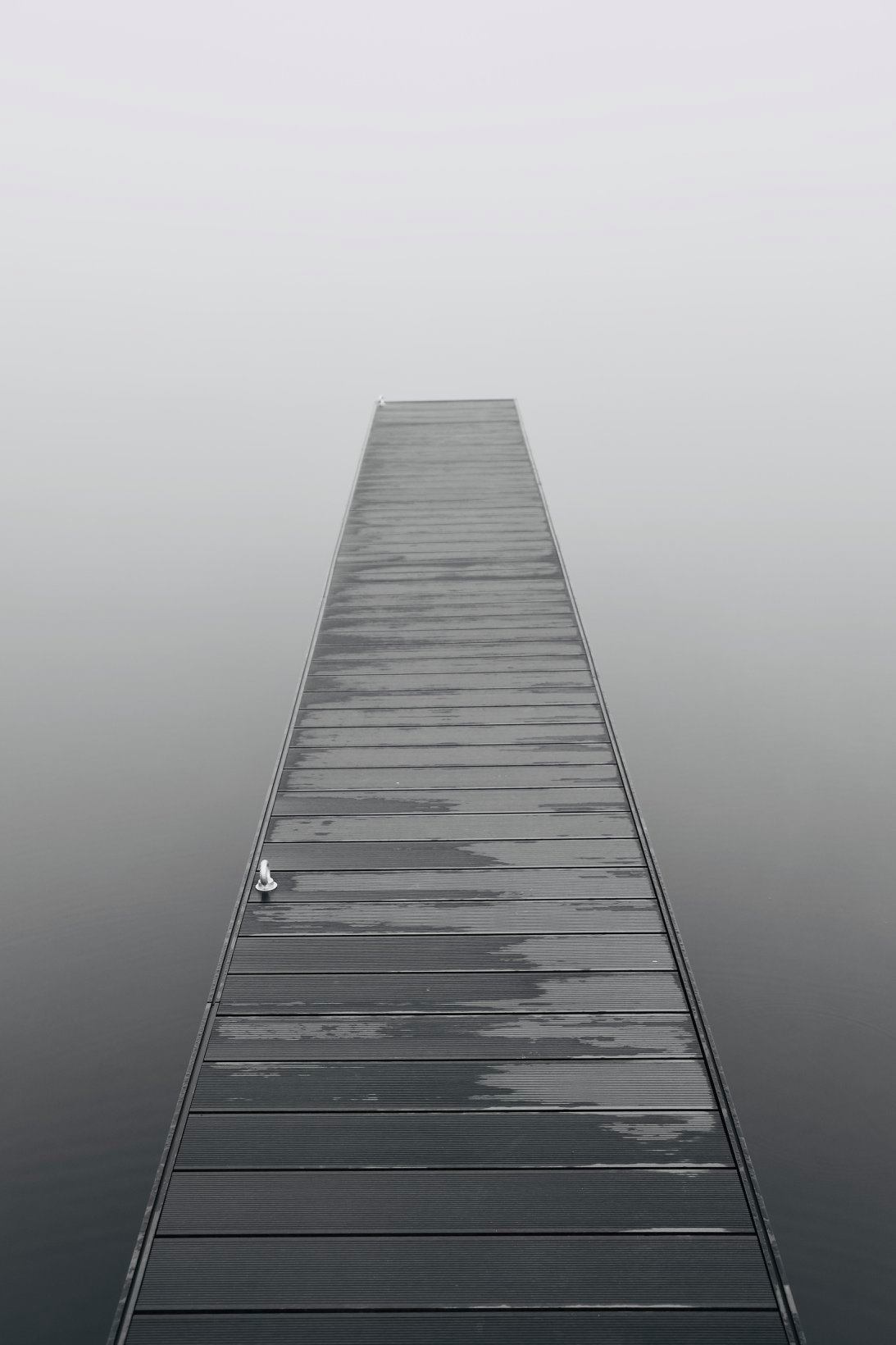
“It isn’t the changes that do you in, its the transitions. They aren’t the same thing. Change is situational: the move to a new site, the new boss, the revisions to plans. Transition is psychological; it is a three-phase process that people go through as they internalize and come to terms with the details of the new situation that the change brings”. –William Bridges from the book “Managing Transitions”.
What Happens When Your World Changes?
The lifting of the Stay at Home order only intensified change. The new reality was evident in every outside interaction. Continue reading “Finding the Neutral Zone of Transition”
Standing in Paradox and the Tension of Opposites
As I continued to investigate the Not Knowing Place during the Stay at Home months, I remembered reading about standing in paradox and the tension of opposites in the book, “The Great Work of Your Life” by Stephen Cope:
“Marion Woodman writes, “We learn to live in paradox, in a world where two apparently exclusive views are held at the same time. In this world, rhythms of paradox are circuitous, slow, born of feeling rising from the thinking heart. Many sense such a place exists. Few talk or walk from it.”
Carl Jung’s developmental strategy for standing in paradox: One must hold both sides of a paradox at the same time without choosing one or the other. Exiling neither. Privileging neither. In this way, we can gradually learn to tolerate living in the tension of opposites.
Marion states the technique with stunning clarity: “Holding an inner or outer conflict quietly instead of attempting to resolve it quickly is a difficult idea to entertain. It is even more challenging to experience. However, as Carl Jung believed, if we held tension between the two opposing forces, there would emerge a third way, which would unite and transcend the two. Indeed, he believed that this transcendent force was crucial to individuation. Whatever the third way is, it usually comes as a surprise, because it had not penetrated our defenses until now. A hasty move to resolve tension can abort growth of the new. If we can hold conflict in psychic utero long enough we can give birth to something new in ourselves.”
Hold conflict in psychic utero. This is a skill that can be learned. But it requires a host of collateral skills that most of us in the west has not nurtured: the capacity to stand in the mystery; the capacity to tolerate the unknown; the courage to live in the wilderness for a while; the love of the dark and the night and the moon; the wisdom of the circle, not the line.”
The Intimate Familiarity of a Place Known is the Not Knowing Place
“The perfection is in the repetition, the sheer ordinariness, the intimate familiarity of a place known because we have visited it again and again in so many different moments.”
As I reread the words by Wayne Muller on April 8 while under a Staying at Home order, I recognized the intimate familiarity of “a place known,” was the unknown. I have spent a lot time writing about the unknown, but rarely valued its true worth. Throughout life, it served as a catalyst. I always wanted to know, to find the answer and take a step into knowing. Time spent not knowing was viewed as wasted time. The receptivity of “the gift of time” during March enabled me to recognize the Not Knowing Place. And as Muller suggested, I have visited it again and again in so many different moments. Through all the seasons, through all the years, through all the days, and even in the moments, I have found myself in the Not Knowing Place. I actually “knew” this place! Continue reading “The Intimate Familiarity of a Place Known is the Not Knowing Place”
Turning to Prepare for the Journey into the Unknown
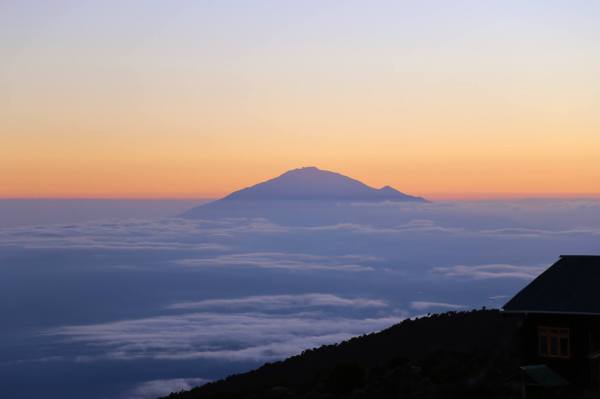
Every day, every year circles around the silent turning of cycles and rhythms.
This is no longer the hopeful two week sprint cycling back to the known. This is a challenging expedition into unchartered terrain.
I continue to downshift. Yesterday as the new “Stay At Home” order went into effect, I realized the need to adjust my “life retraction” schedule. Do I still need an alarm to wake me up at 5 AM? I decided no. I’ll honor my body’s inner clock and my need for rest.
When I was experiencing upheavals and uncertainty while my mother was under hospice care in 2015-2017, I discovered some tips for a household retraction (in the book, Home Comforts by Cheryl Mendelson) and saw how her advice also applied to a life retraction during that time. The “life retraction” advice seems helpful now.
Continue reading “Turning to Prepare for the Journey into the Unknown”
Sitting here now, the image of the open hand with bird came to mind as the words “giving and receiving” arrived in my awareness.
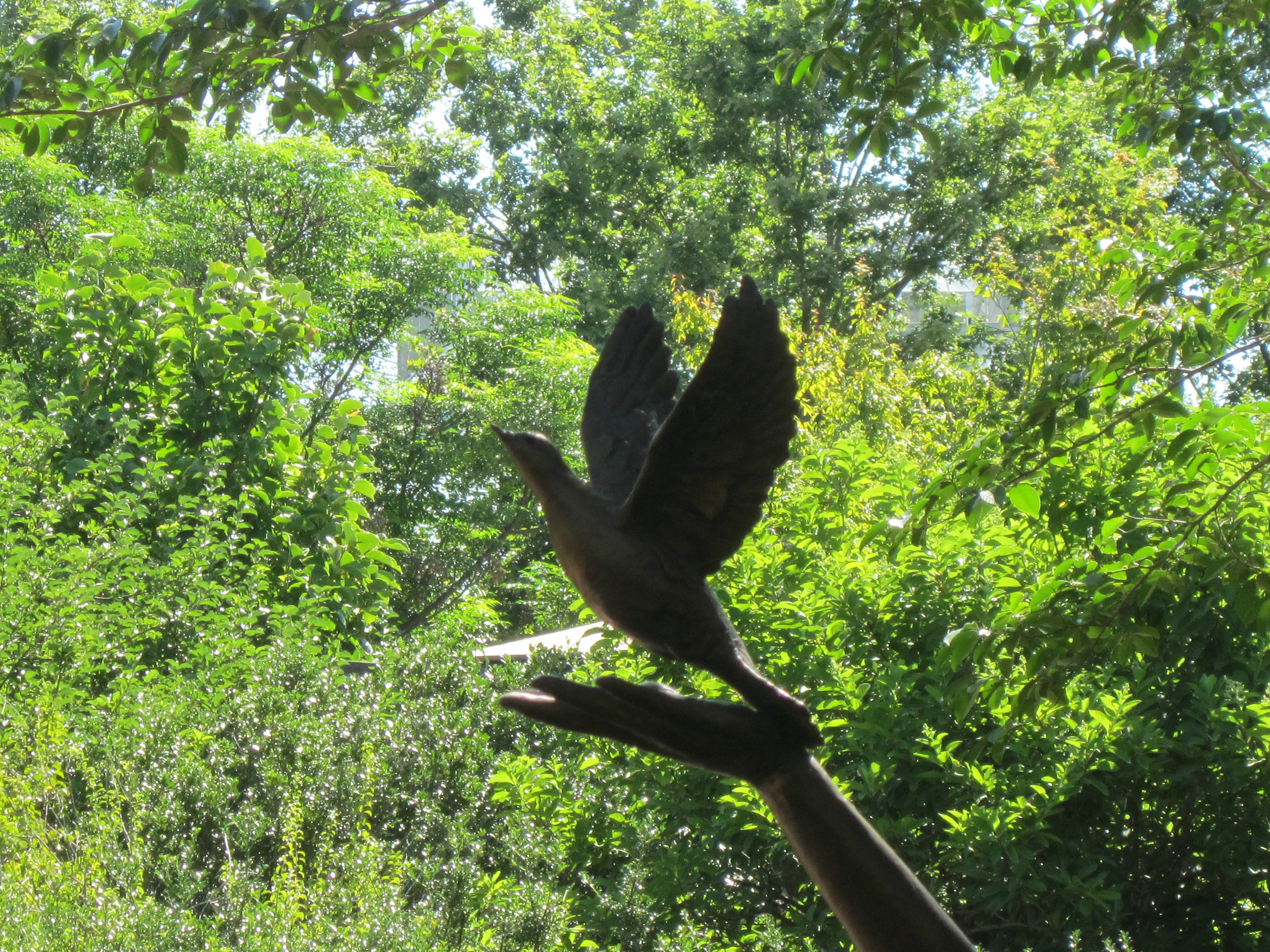
The first question, “What do you see: giving or receiving?”
I thought of the open hand, the bird’s wings. It seems to be giving, but then I realized on a second glance it could also be receiving. The first glance sees “giving,” and the second glance sees “receiving.” Time seems to make the difference in what I see. The photo may capture one aspect, but the other is there too. What’s important to recognize is the exchange—the dynamic movement. It is both, giving and receiving, the unceasing exchange of energy.
Separating the Wheat of Life from the Chaff — some wisdom from Helen Luke’s essay, “The Odyssey”:
“Why do you speak of a winnowing fan,” said Odysseus, “when you must know very well that this is a beautiful oar with which I cleave the great waters of the wine-dark seas around us?” …
“You are right, I am not ignorant of the oar… I was not pretending by using the words ‘winnowing fan’…I ask you now only to think of the meaning of that image.”
Continue reading “Separating the Wheat of Life from the Chaff”
Receiving the Precious Gift of Time
By Friday night, March 13, all organized activities and classes were cancelled, and I realized the pandemic had cleared my calendar for at least two weeks. Life suddenly became uncrowded as daily routines were swept away.
In the clearing, I saw the precious gift we have received:
the gift of time.
For at least the next two weeks, there is an abundance of unscheduled time. How often does this happen in a lifetime? What discoveries are within reach if one’s focus shifts away from scarcity to recognizing this unexpected opportunity in this present life?
The gift has been given and although I cannot hold it in my hands, I can acknowledge the gift and receive it. Continue reading “Receiving the Precious Gift of Time”
My mother’s dementia forced me to enter into deep paradoxes — to lose my mother while she was alive, to encounter the stranger in someone I had known all my life, to face the double bind — and respond the best way I could at the time.
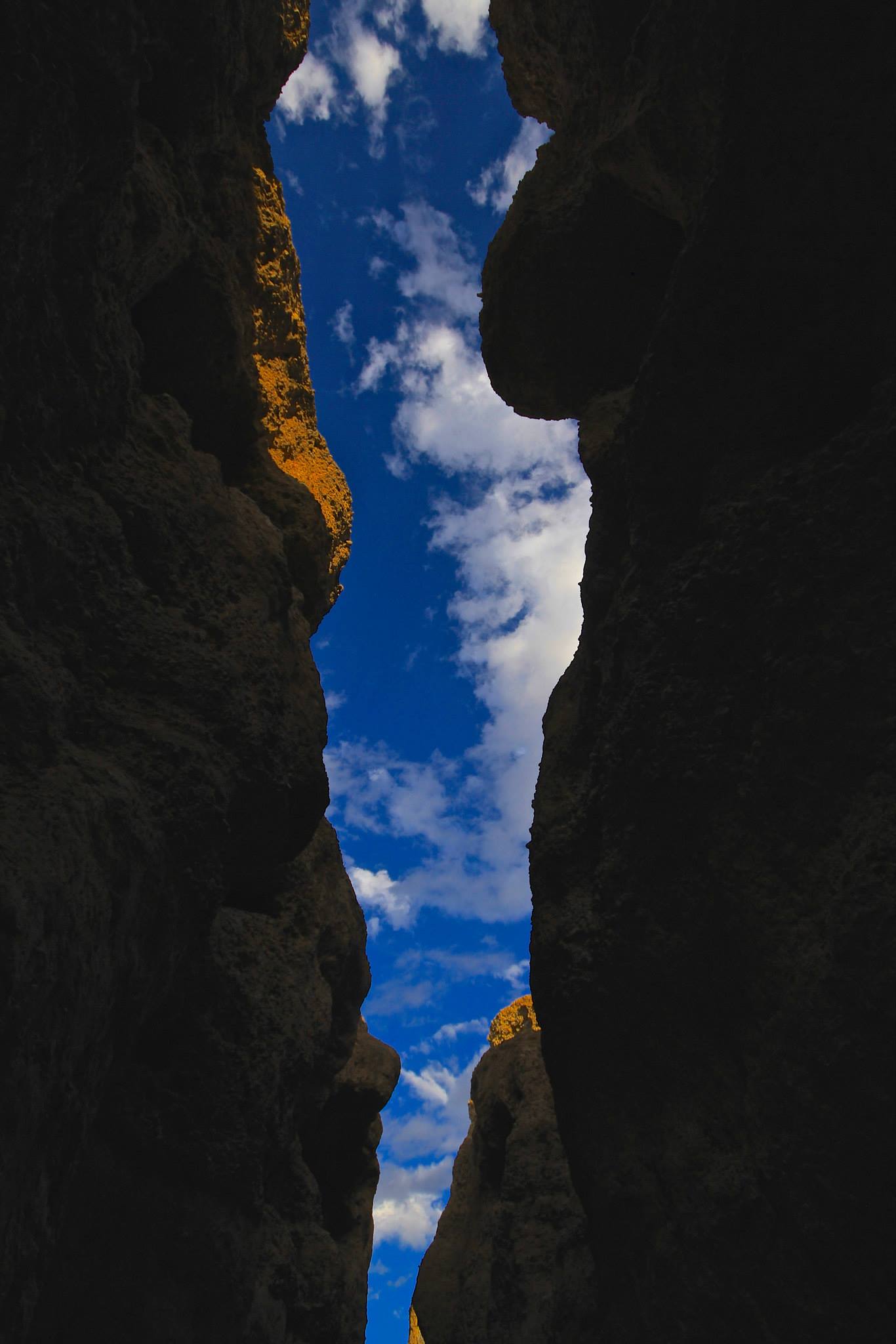

What is Liminal space? Richard Rohr writes: “Liminal space (from the Latin limen for “threshold”) is an inner state and sometimes an outer situation where we can begin to think and act in genuinely new ways. It is when we are betwixt and between, having left one room or stage of life but not yet entered the next.” Continue reading
 creative meander