Keeping with the exploration of the second half of life, in February I attended “The Spirituality of Aging,” which provided aging in the framework of the seasons:
| Spring | 0-25 |
| Early Summer | 26-50 |
| Late Summer | 51-64 |
| Autumn | 65-75 |
| Winter | 76+ |

Keeping with the exploration of the second half of life, in February I attended “The Spirituality of Aging,” which provided aging in the framework of the seasons:
| Spring | 0-25 |
| Early Summer | 26-50 |
| Late Summer | 51-64 |
| Autumn | 65-75 |
| Winter | 76+ |
Separating the Wheat of Life from the Chaff — some wisdom from Helen Luke’s essay, “The Odyssey”:
“Why do you speak of a winnowing fan,” said Odysseus, “when you must know very well that this is a beautiful oar with which I cleave the great waters of the wine-dark seas around us?” …
“You are right, I am not ignorant of the oar… I was not pretending by using the words ‘winnowing fan’…I ask you now only to think of the meaning of that image.”
Continue reading “Separating the Wheat of Life from the Chaff”
By Friday night, March 13, all organized activities and classes were cancelled, and I realized the pandemic had cleared my calendar for at least two weeks. Life suddenly became uncrowded as daily routines were swept away.
In the clearing, I saw the precious gift we have received:
the gift of time.
For at least the next two weeks, there is an abundance of unscheduled time. How often does this happen in a lifetime? What discoveries are within reach if one’s focus shifts away from scarcity to recognizing this unexpected opportunity in this present life?
The gift has been given and although I cannot hold it in my hands, I can acknowledge the gift and receive it. Continue reading “Receiving the Precious Gift of Time”
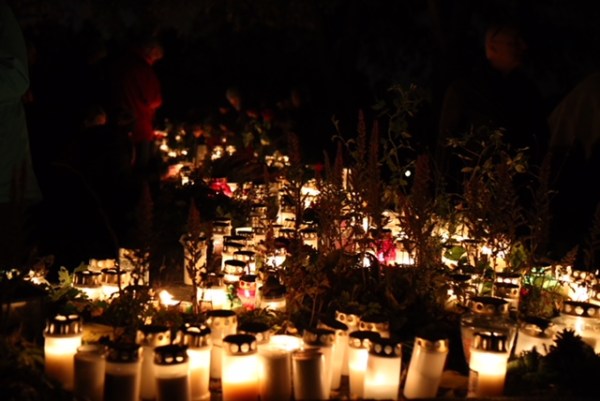
I just cycled back to Phil Constineau’s pilgrimage to Angkor Wat. I bought The Art of Pilgrimage when it was just published in 1998. Only recently I recognized the deeper connections: Angkor Wat was the center of Phil’s book, and the spark that would light his travelers lamp was a book from Phil’s dad.
This book quietly illuminates the full circuit of a living gift. It keeps giving and the reach continues to expand.
Phil received the book about Angkor Wat on his eleventh birthday. It wasn’t a gift he had asked for, but the bronze-tinted book depicted sculptures of the long forgotten world of the Khmers that transported the eleven-year old beyond known boundaries. Continue reading “Gifts that Keep Giving”
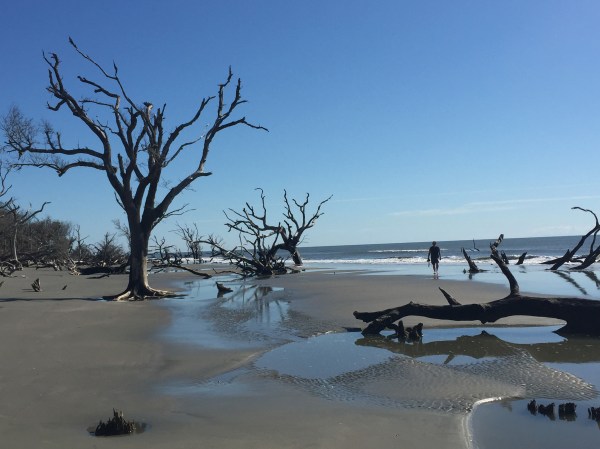
“The rewards are infinite when we keep looking.”
As soon as I read that sentence by Mark Nepo, I thought of my friend walking the shore of Boneyard Beach immersed in his creative process.
Nepo’s words are in the chapter “Going with the Stream” from his book “Drinking From the River of Light.” The chapter begins with an epigraph by Yogananda:
Never give up, then surrender
Continue reading “Recognizing the Vastness That Has the Potential to Transform Us”

Once again, I found myself stuck in the foggy gap. I’ve been focused on defining my vision for this second half of life (not a bad thing) but there’s a lot of unknown in this new life. I got fixated on the fog of uncertainty, but today I caught a glimpse of what was in front of me: the reality of creative tension. Once again, the fog lifts (and I do recognize this is a pattern).
I’ve been approaching creative tension as the obstacle, which is a big mistake. It can actually be the force to move me forward. Peter Senge dives into the topic in his book, The Fifth Discipline:
The juxtaposition of vision (what we want) and a clear picture of current reality (where we are relative to what we want) generates what we call “creative tension”: a force to bring them together, caused by the natural tendency of tension to seek resolution.
Senge continues later in the book: The gap between vision and current reality is also a source of energy. If there was no gap, there would be no need for any action to move toward the vision… Continue reading “Recognize Creative Tension as a Source of Creative Energy”

I visited 47E at the Vietnam Veterans Memorial on Labor Day. It’s been over two decades since my last visit. The photo is my attempt to capture the light, life’s reflections and the promise of RESURGAM, which is a vast interconnectedness that keeps weaving through time.
As for words, remembering Phil Woodall is important. His name is not on the Vietnam Veterans Memorial. He’s the Vietnam veteran who drew my attention to 47E with two written words: Alpha Company.
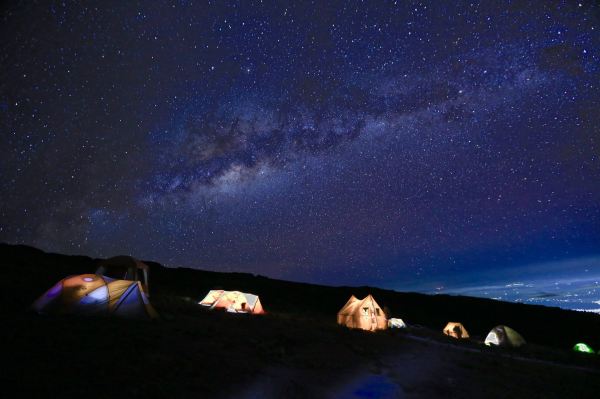
From “Learning to Walk in the Dark” by Barbara Brown Taylor:
“How long since we have done this?” Ed asks in my ear.
How long since we have left our house, which we know so well, to climb a hill and sit next to each other in the dark with nothing to do but wait for the moon to rise? How long since we have sat quietly under such enormous space?
“Twenty years,” I say.
“Why is that?” he says.
He and I both know why, but the answer makes me so sad that I cannot say it out loud. We have been busy. For twenty years.
Busy? The word loses all meaning under the canopy of this sky.
My mother’s dementia forced me to enter into deep paradoxes — to lose my mother while she was alive, to encounter the stranger in someone I had known all my life, to face the double bind — and respond the best way I could at the time.

So much truth in the words from the banquet speech of the 2015 Nobel Prize Winner in Literature, Svetlana Alexievich.
“Why do I write? I have been called a writer of catastrophes, but that isn’t true. I am always looking for words of love. Hate will not save us. Only love. And I have hope.
… In one Belarusian village, an old woman bade me farewell with the following words: “Soon we will go our separate ways. Thank you for listening to me and for conveying my pain to other people. I beg you, as you leave, to have a look at my little cabin not only once, but twice. When a person looks a second time, it is not with the eye of a stranger, it is a look with the heart …”
(Excerpts are from Svetlana Alexievich’s banquet speech during the Nobel Prize Banquet on December 10, 2015)
Continue reading “Look with the Heart, Not the Eye of a Stranger”
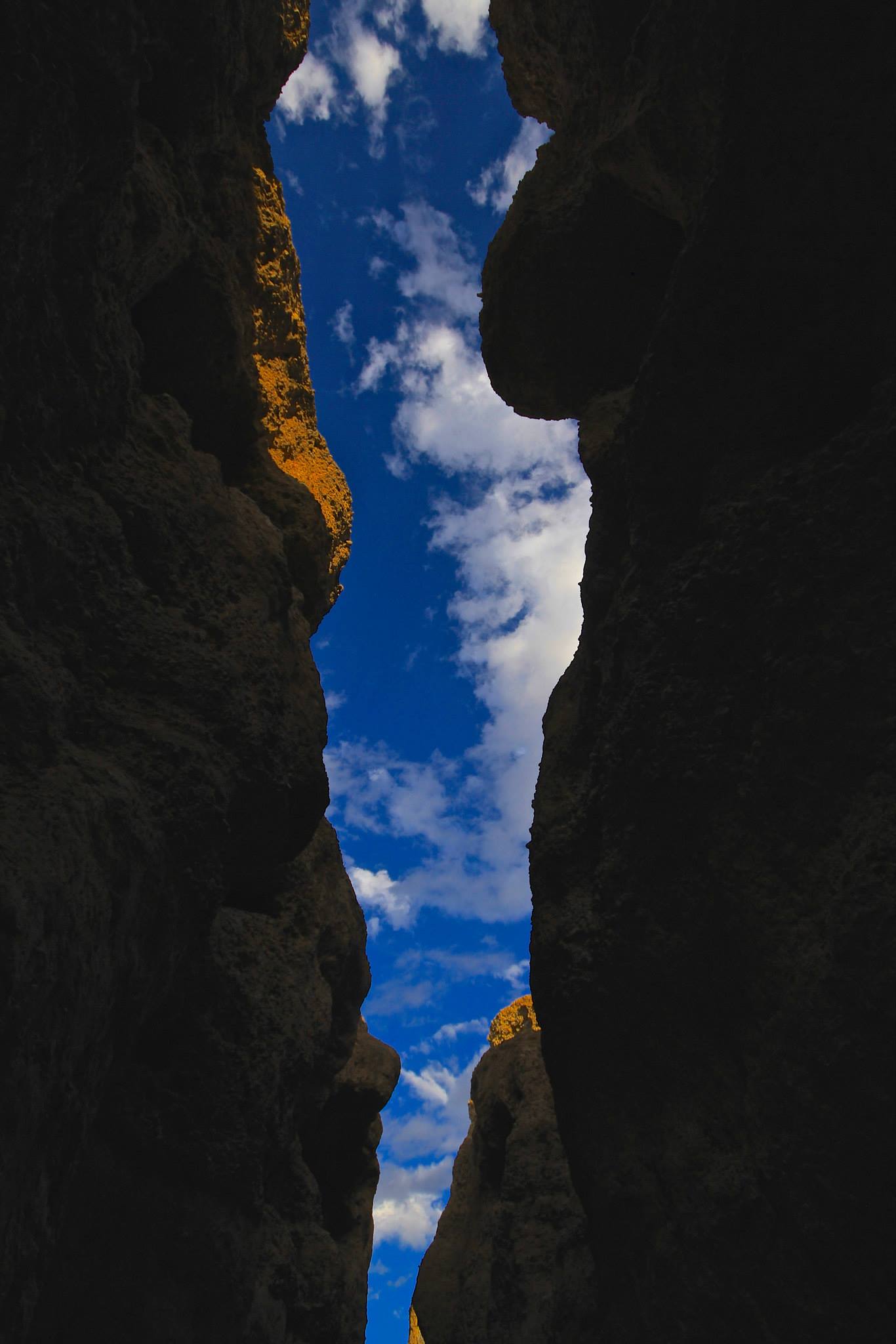
Excerpt from NYT’s Social Q on July 11, 2019:
The reason to attend our friends’ new endeavors (their amateur art openings, piano recitals and improv performances) is not to witness their greatness, but to applaud their bravery in trying something new. It’s much easier to watch a video and carp about it than to stand up in public and bomb.

What is Liminal space? Richard Rohr writes: “Liminal space (from the Latin limen for “threshold”) is an inner state and sometimes an outer situation where we can begin to think and act in genuinely new ways. It is when we are betwixt and between, having left one room or stage of life but not yet entered the next.” Continue reading
“We lose track of time and of place, we move into a timeless time and a placeless space when we are in a creative state. Afterward, we know we have tasted something worth remembering, something that will last. And often we have a special gift to bestow on others because of the journey we have undergone in our creative work.” —From the book “Creativity” by Matthew Fox.
Ten years ago—July 28, 2009—a fierce thunderstorm raged outside. The lightening was so intense, I decided to unplug all electronic devices and read a book. Unexpectedly, the image of a soldier dressed in combat fatigues flashed in my imagination as vividly as the lightning outside.

Continue reading “Why I Wrote about Standing in No Man’s Land during the WWI Christmas Truce”
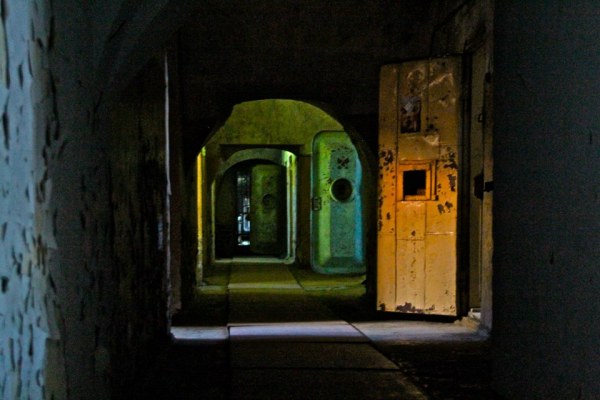
In out of the way places of the heart,
where your thoughts never think to wander…
-John O’Donohue
Through these decades of remembering the unknown soldiers, I have learned that the most unexpected individuals turn out to be guides and teachers. Continue reading “Exploring a Dark Place in the Heart where Remembrance Never Touched the Ground”
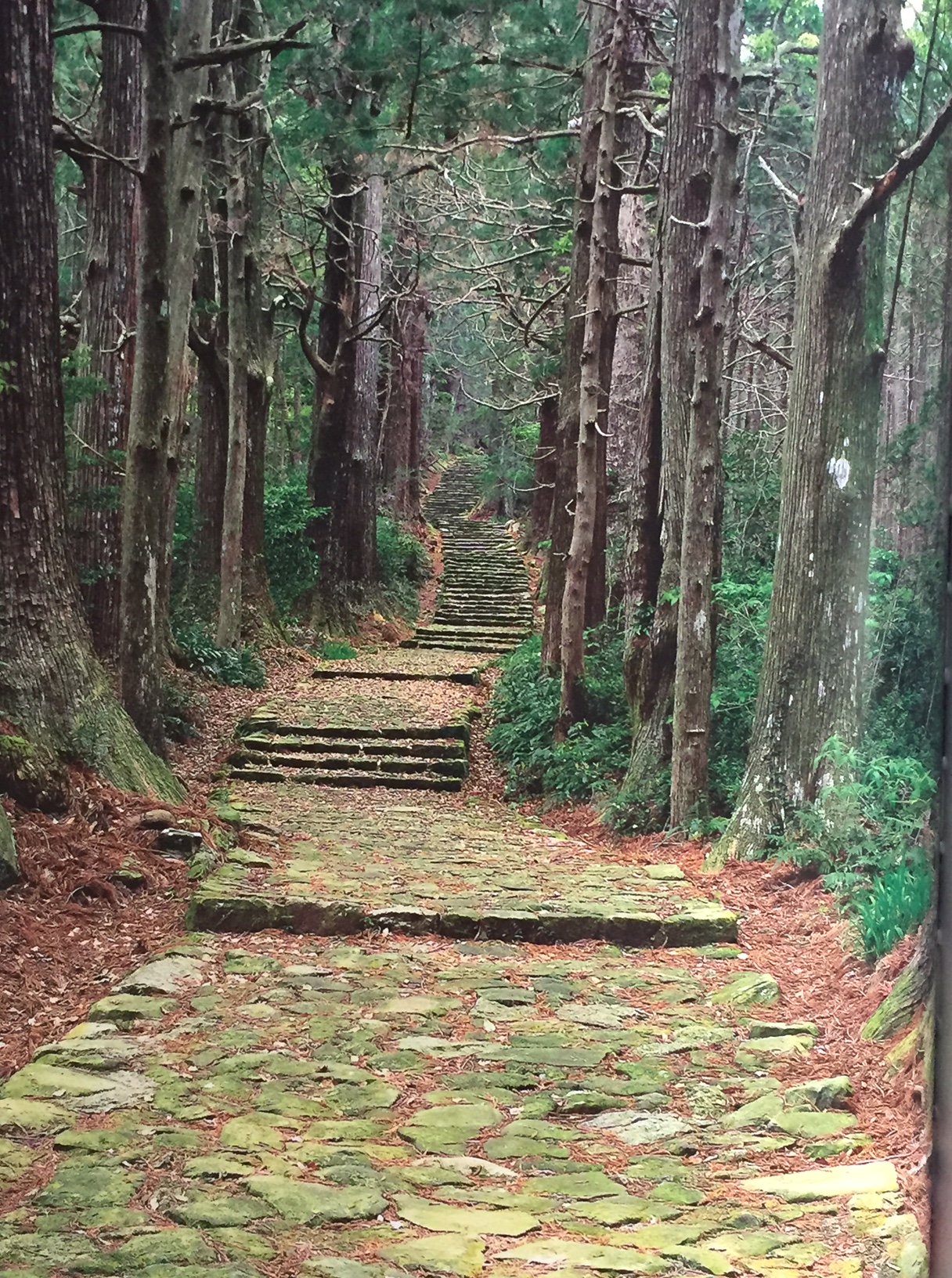
“Creativity is not a noun or even a verb—it is a place, a space, a gathering, a union, a where—wherein the Divine powers of creativity and the human power of imagination join forces. Where the two come together is where beauty and grace happen and, indeed, explode.”
Matthew Fox, from his book, “Creativity”
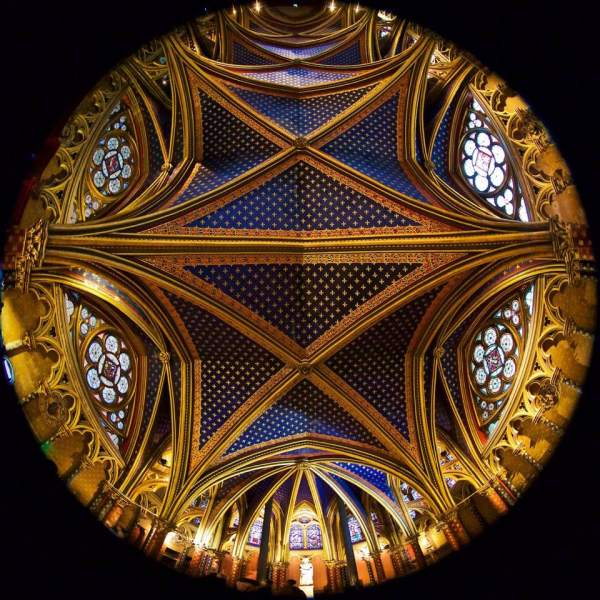
I have turned to the “Night Watch” in Seven Sacred Pauses by Macrina Wiederkehr on many days and nights these past ten years. Continue reading “Waiting under the Mantle of Mystery”

I am sheltered by love
as I stand in the midst of
both sorrow & despair and joy & wonder.
Truth be told, since the love is unseen
and without form,
I often forget
that love is always with me.
How do I remember?
This is the work of my life.

